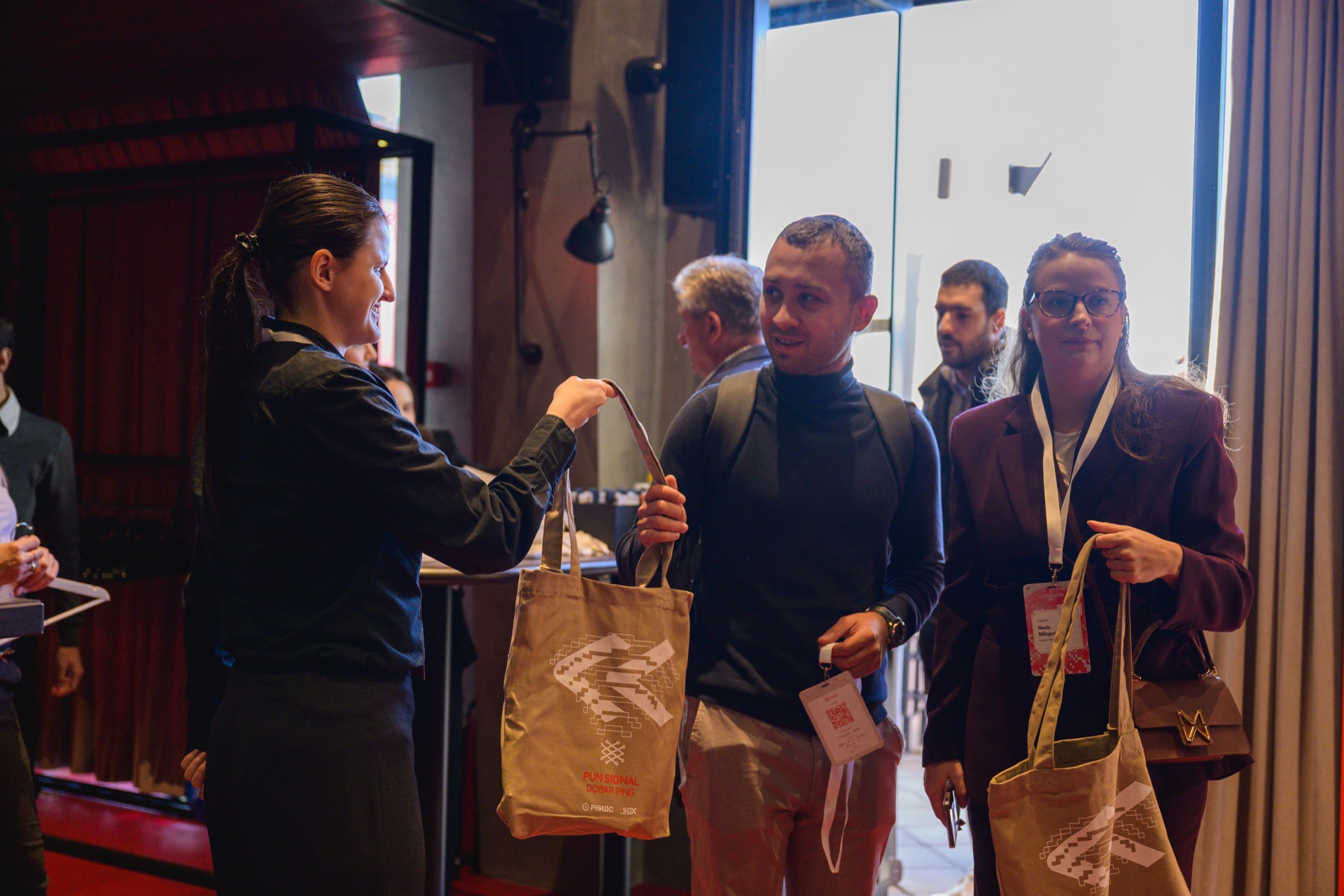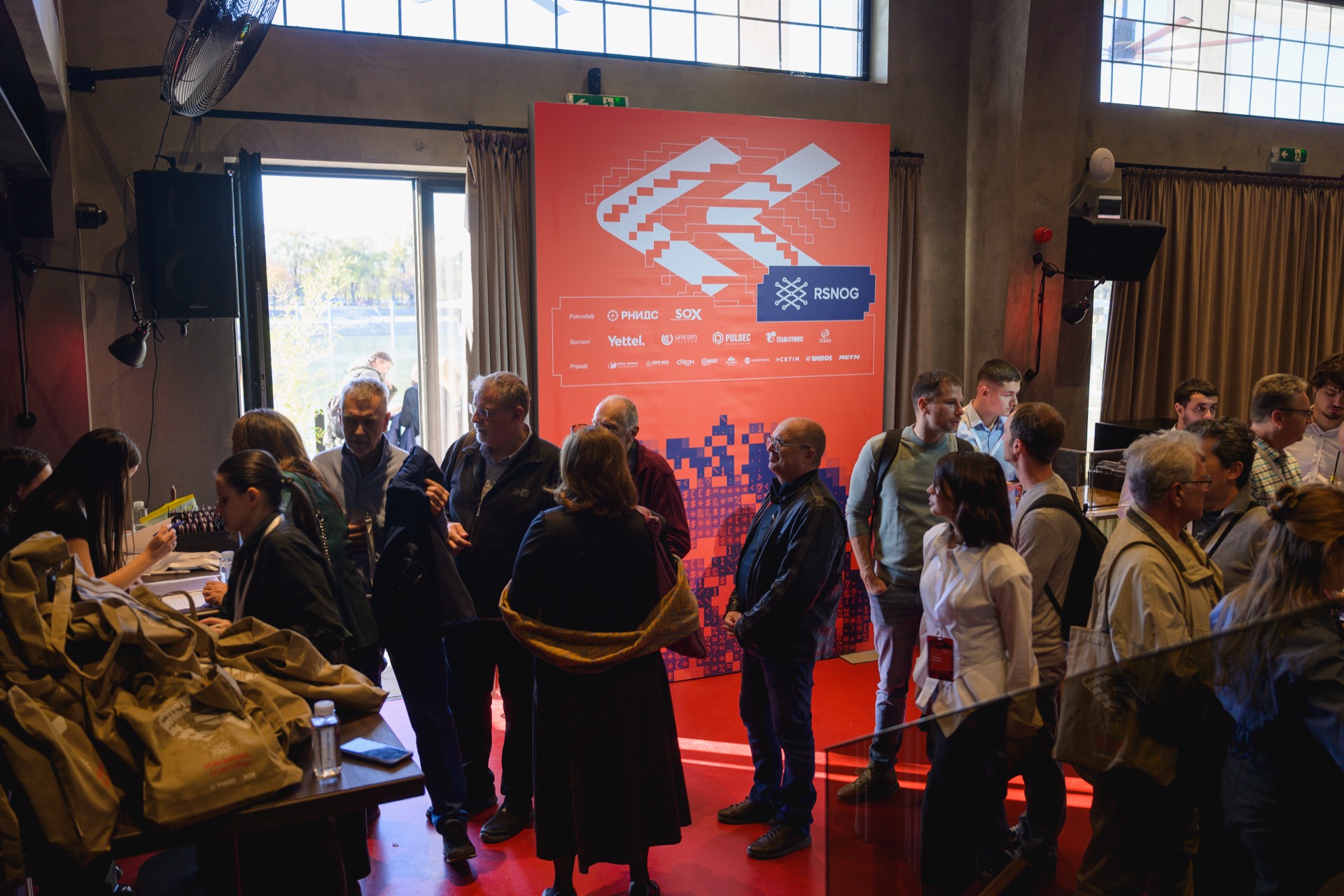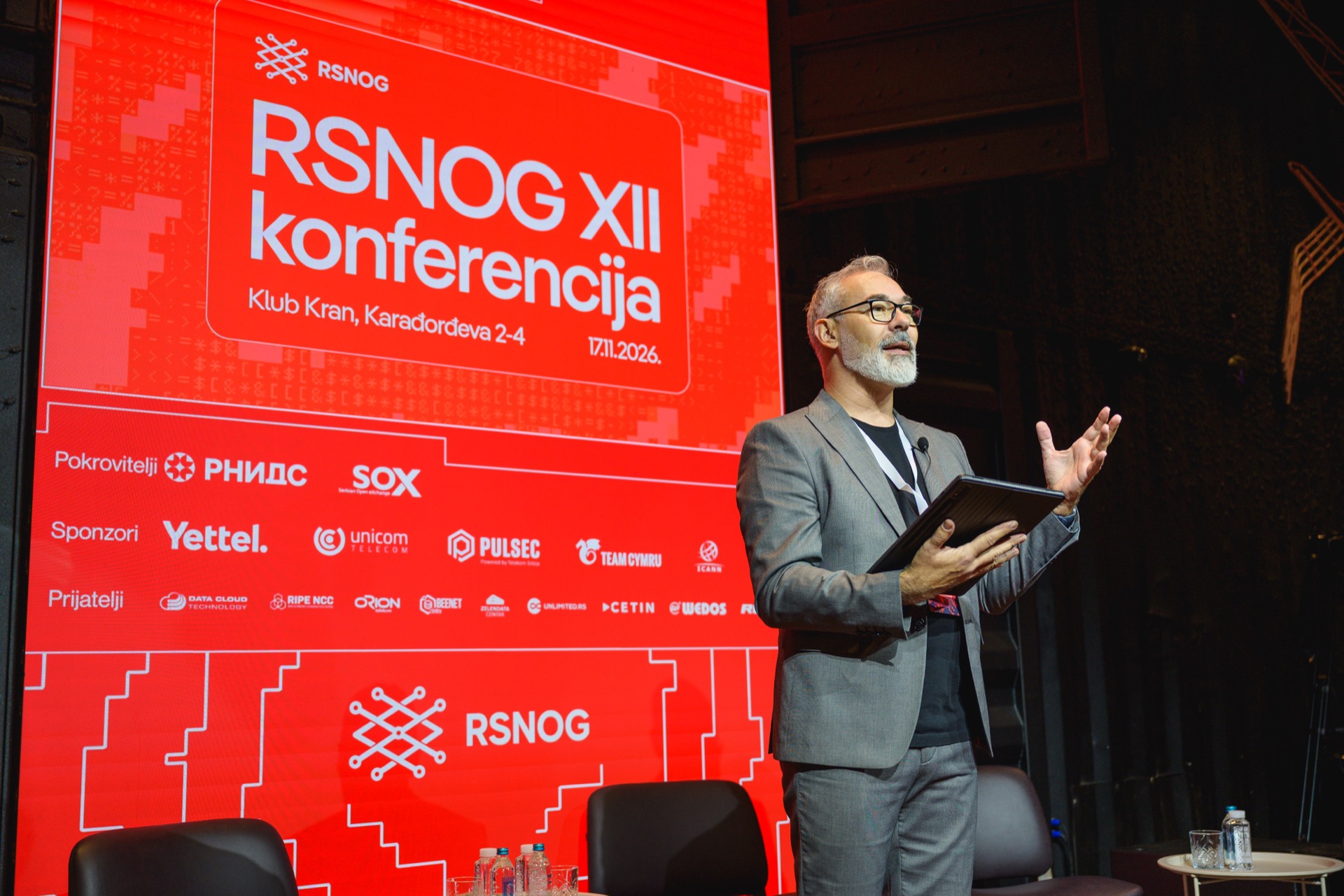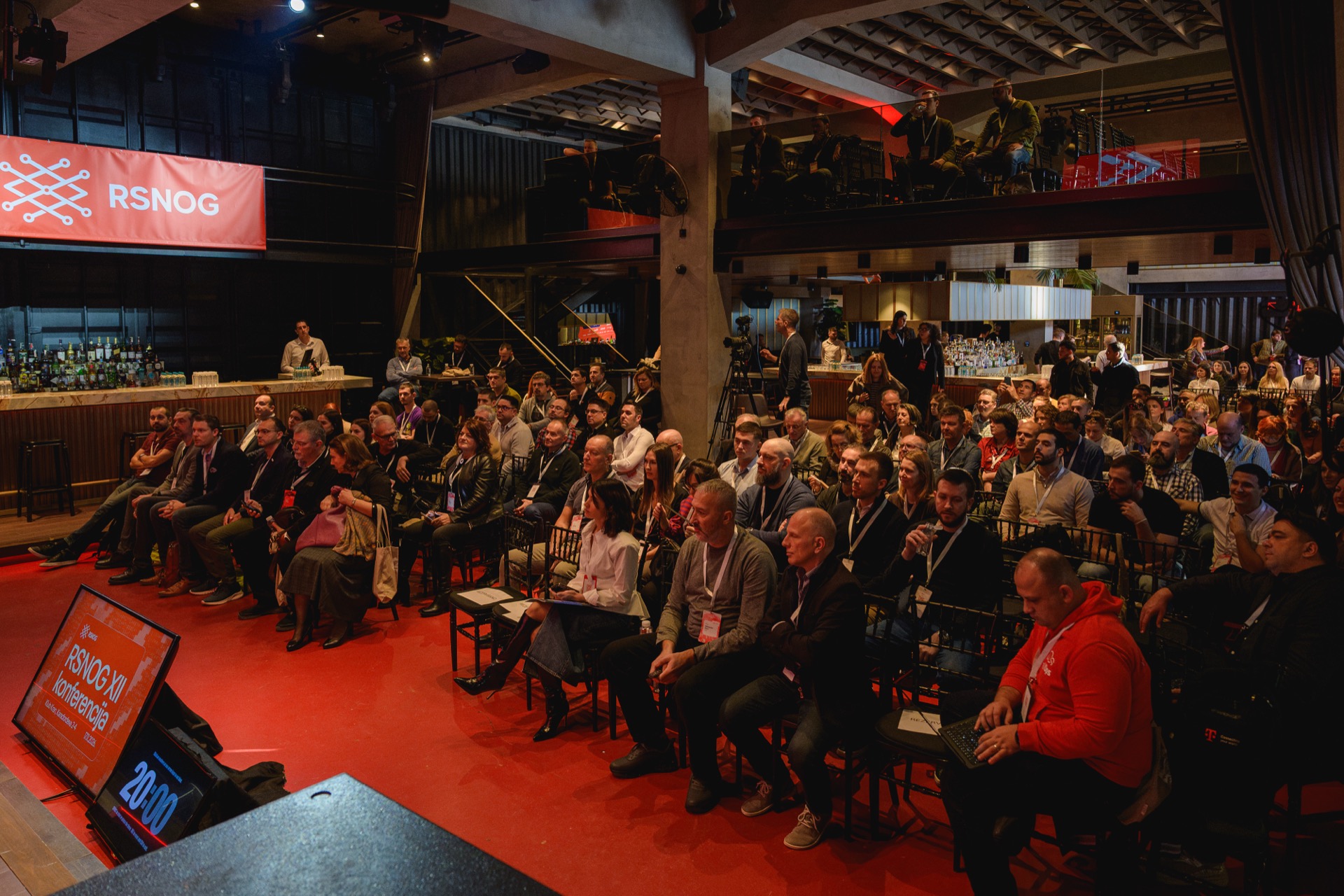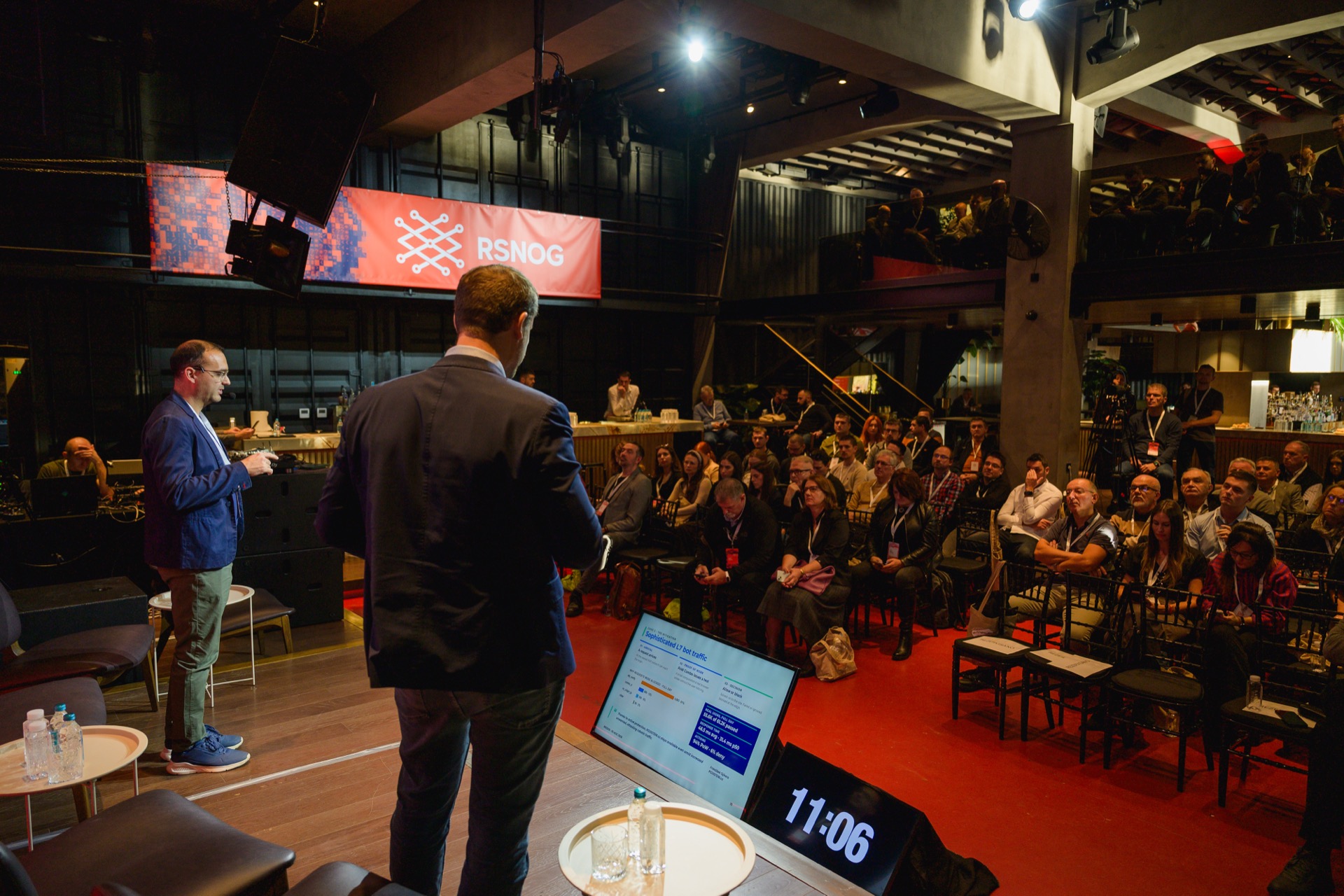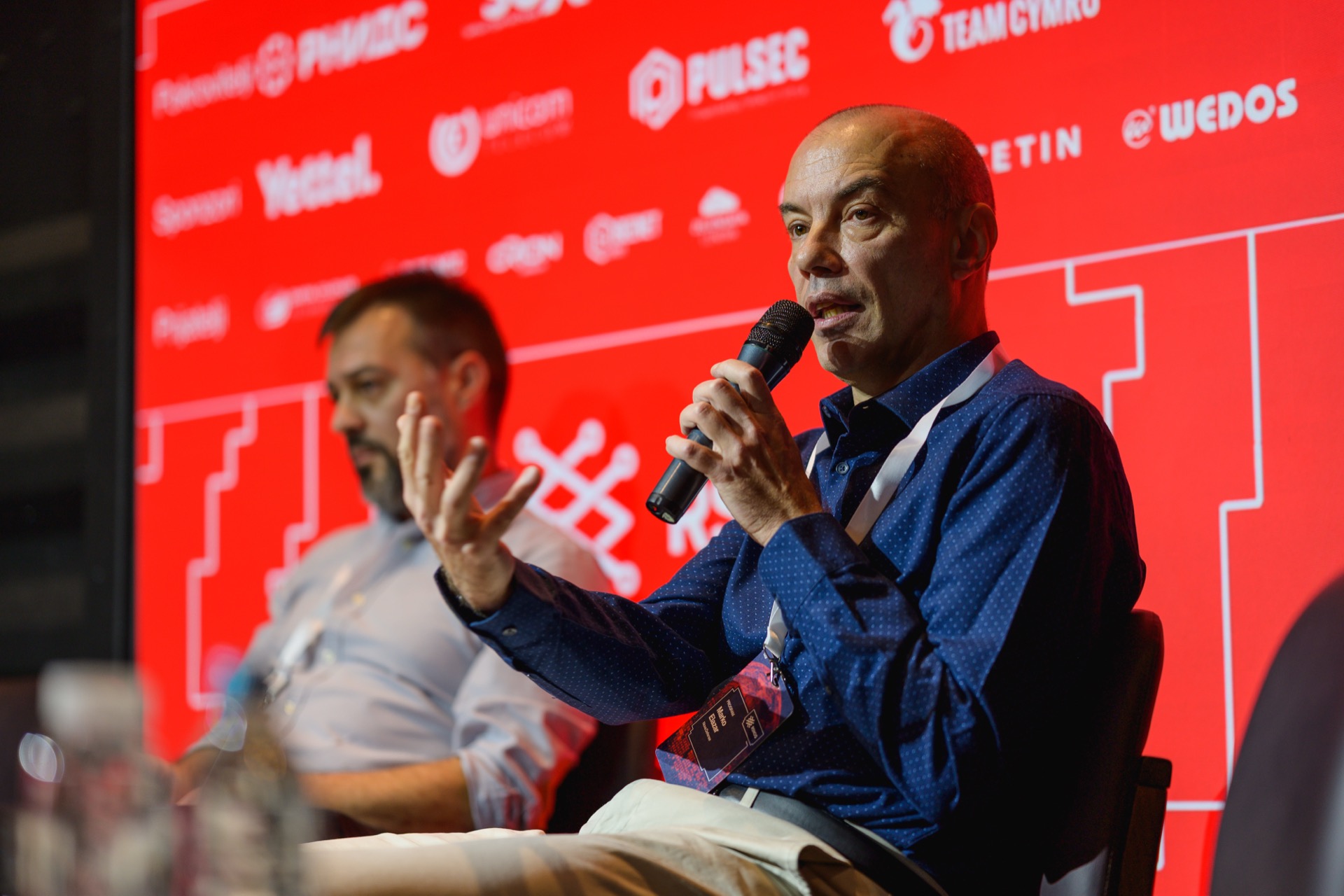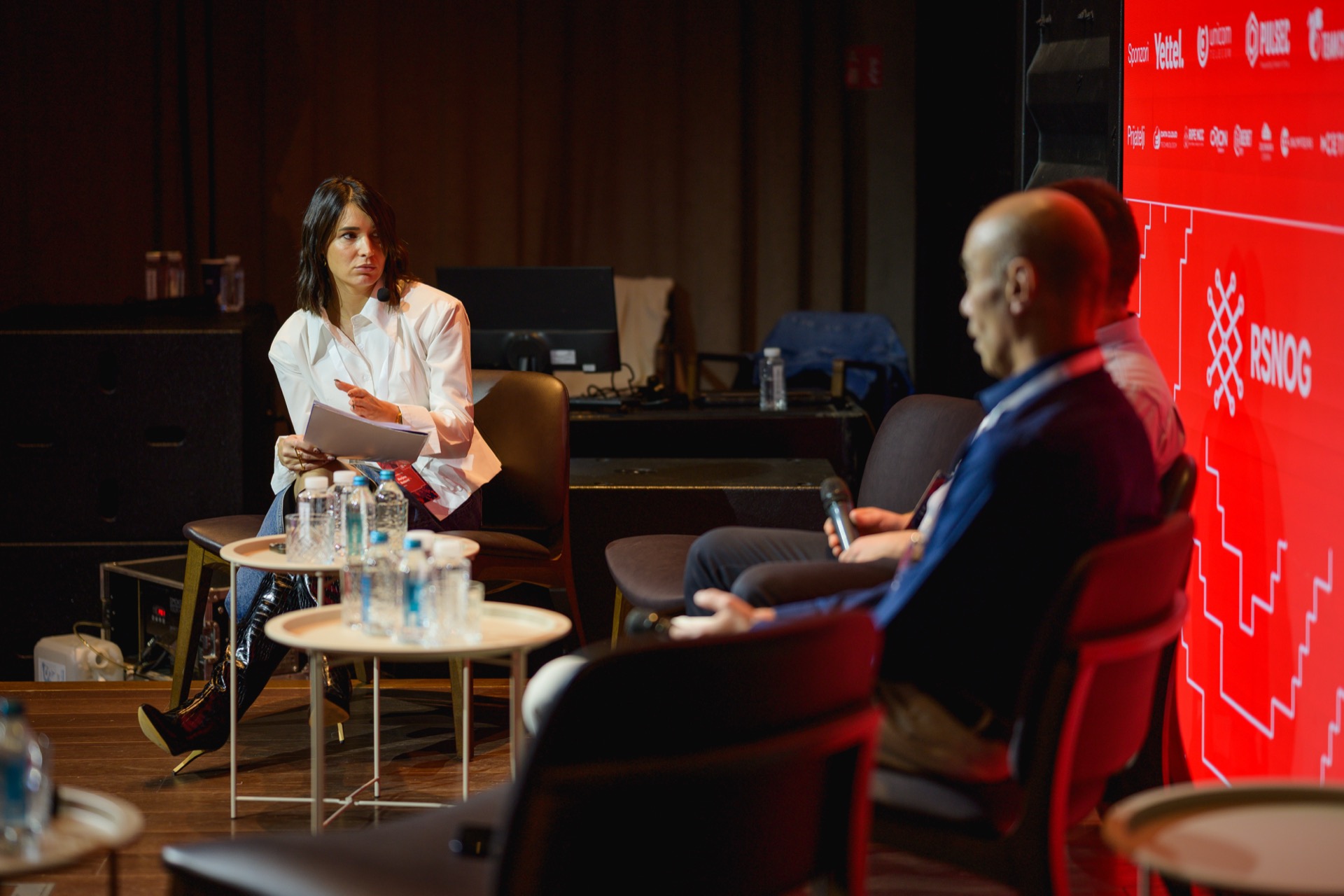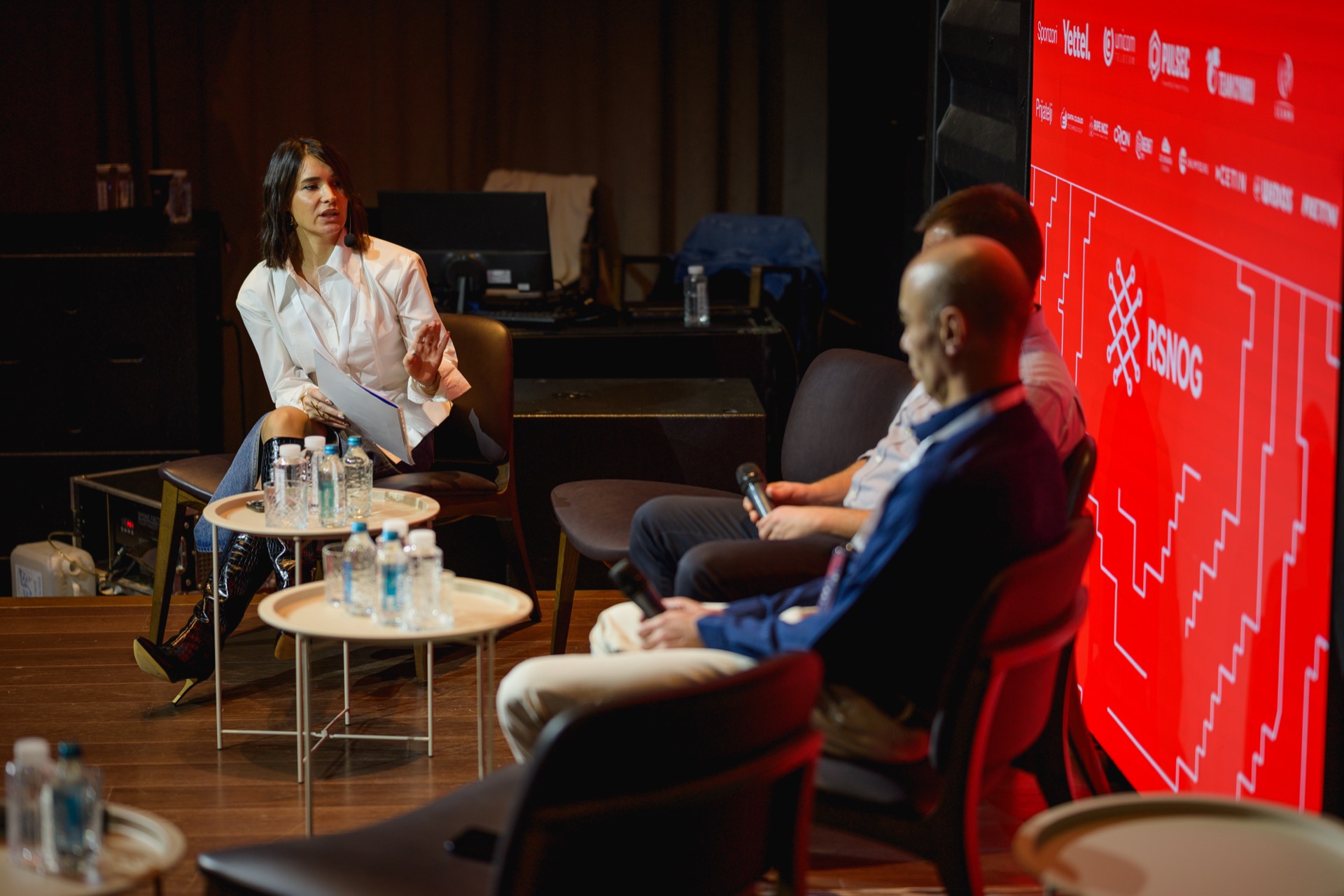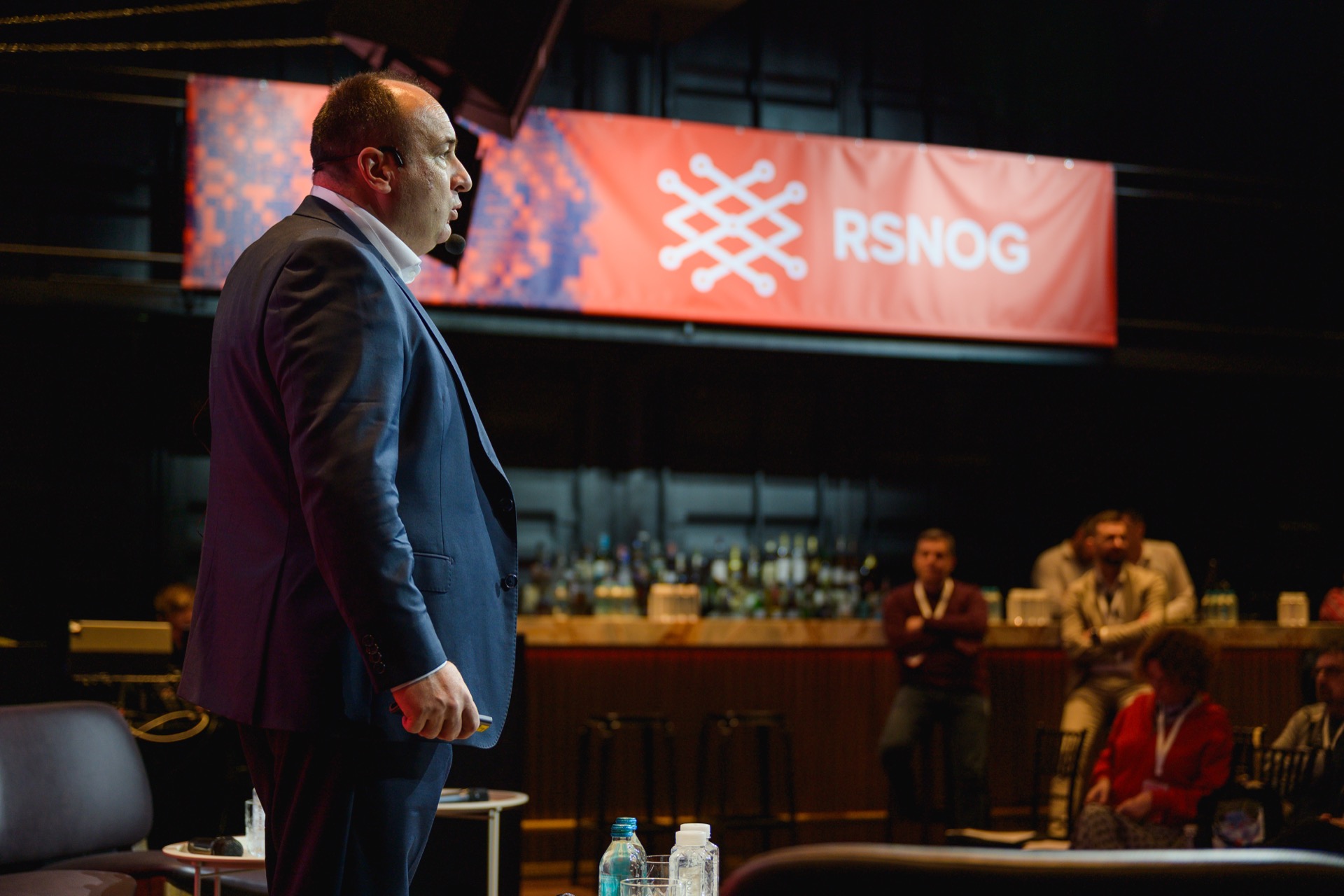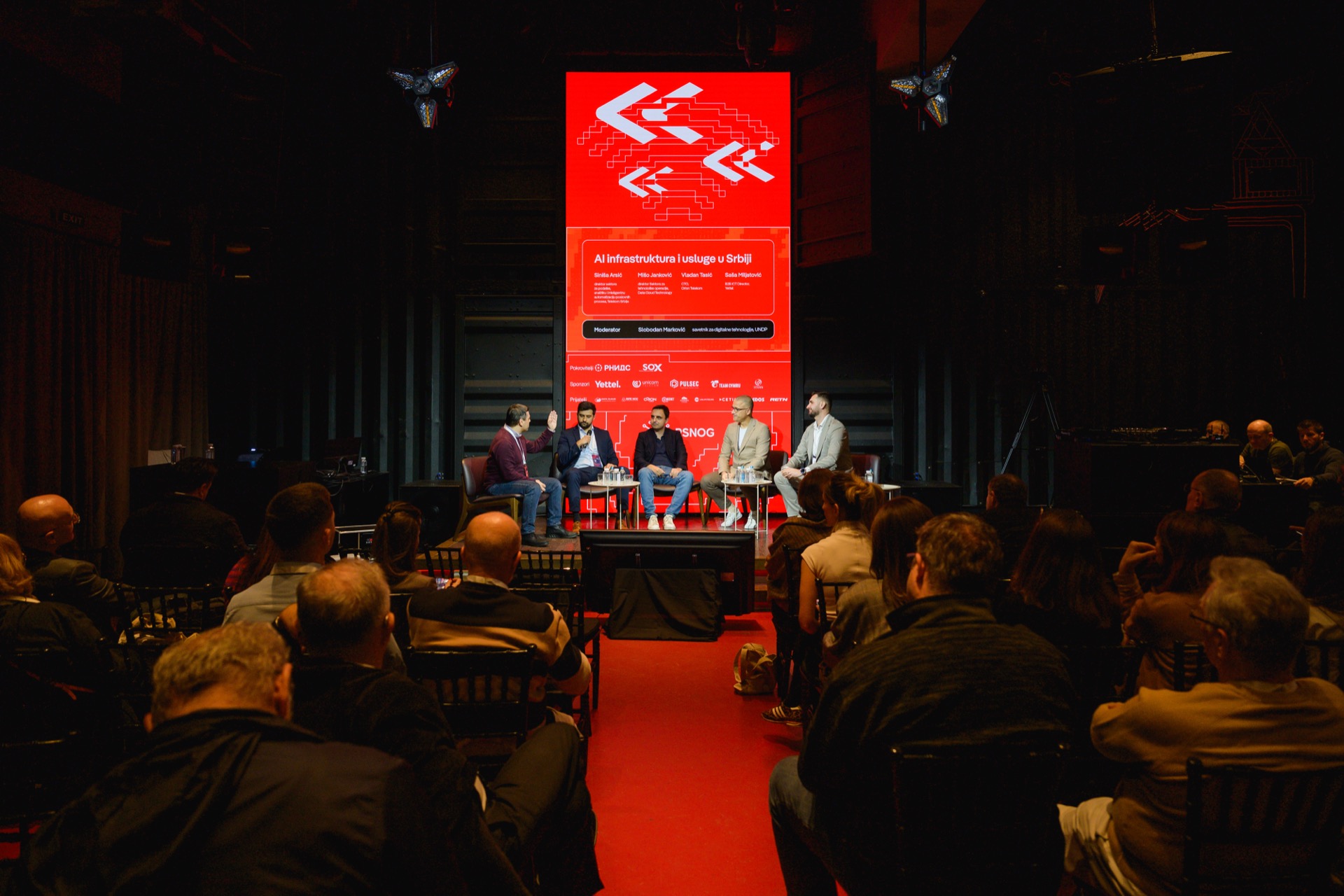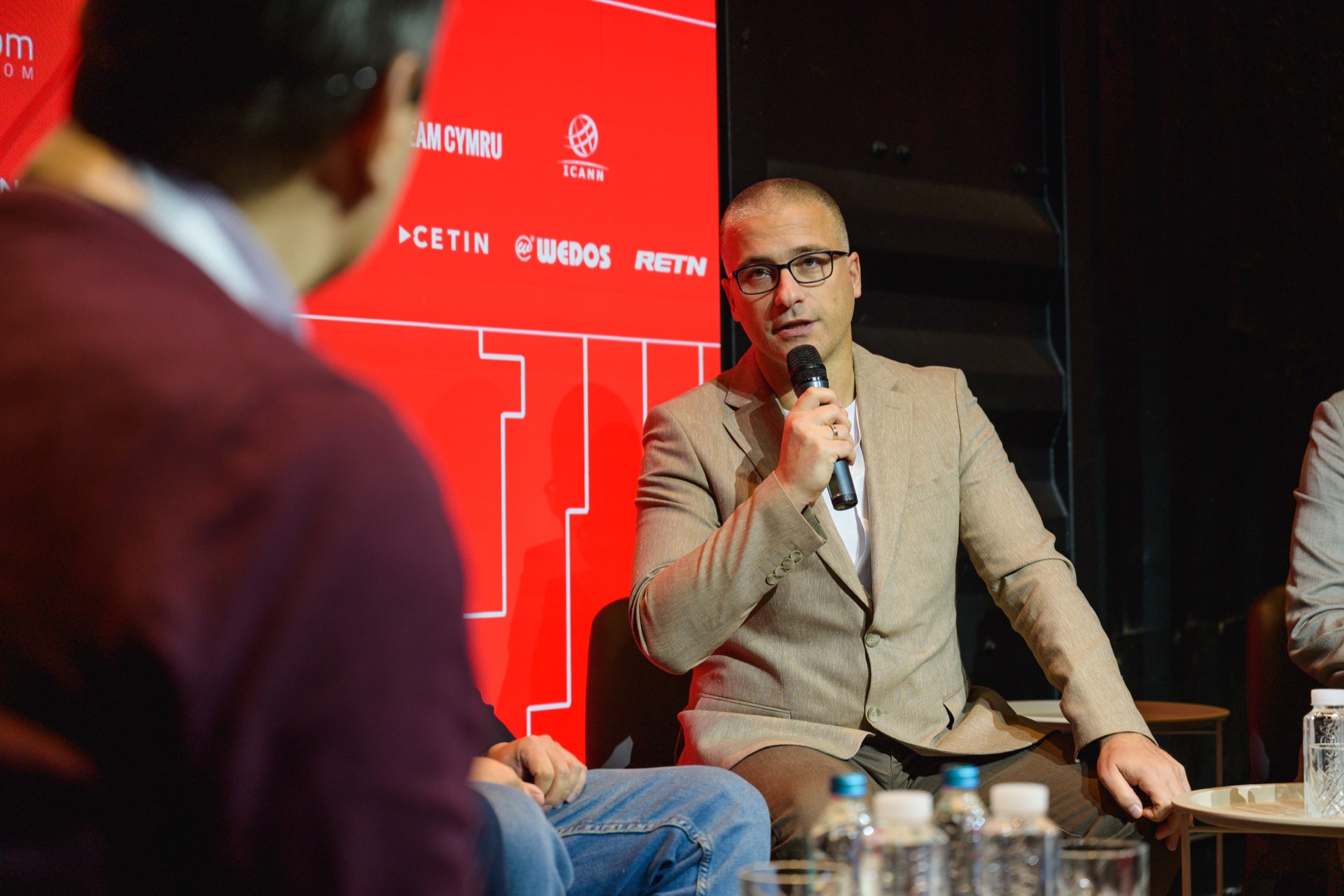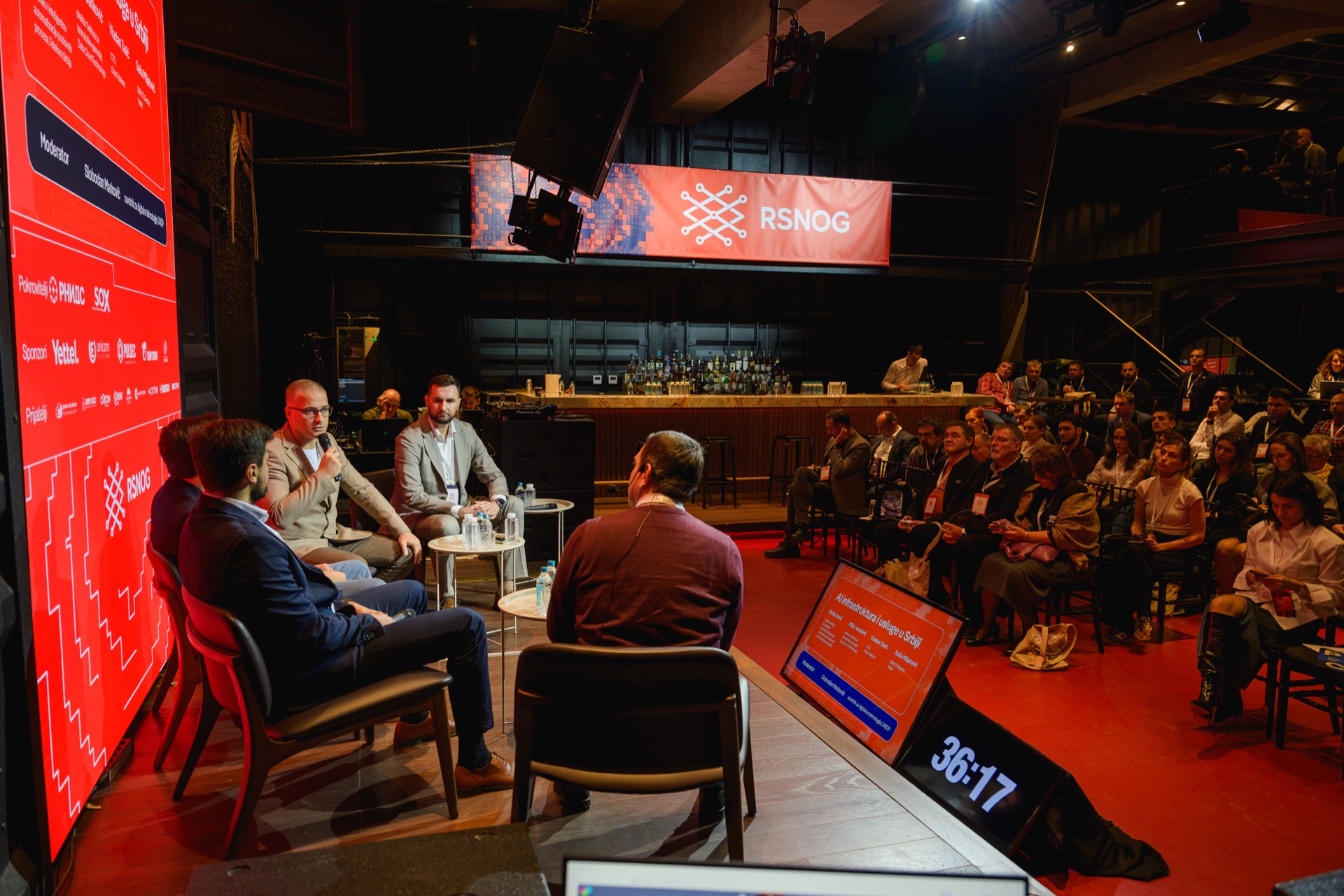
The twelfth Serbian Network Operators Group (RSNOG) conference took place on 17 November 2026 at Klub Kran in Belgrade. Marking 30 years of the internet in Serbia, this year’s event connected stories of the first internet links with today’s challenges of building networks, data centres and AI services.
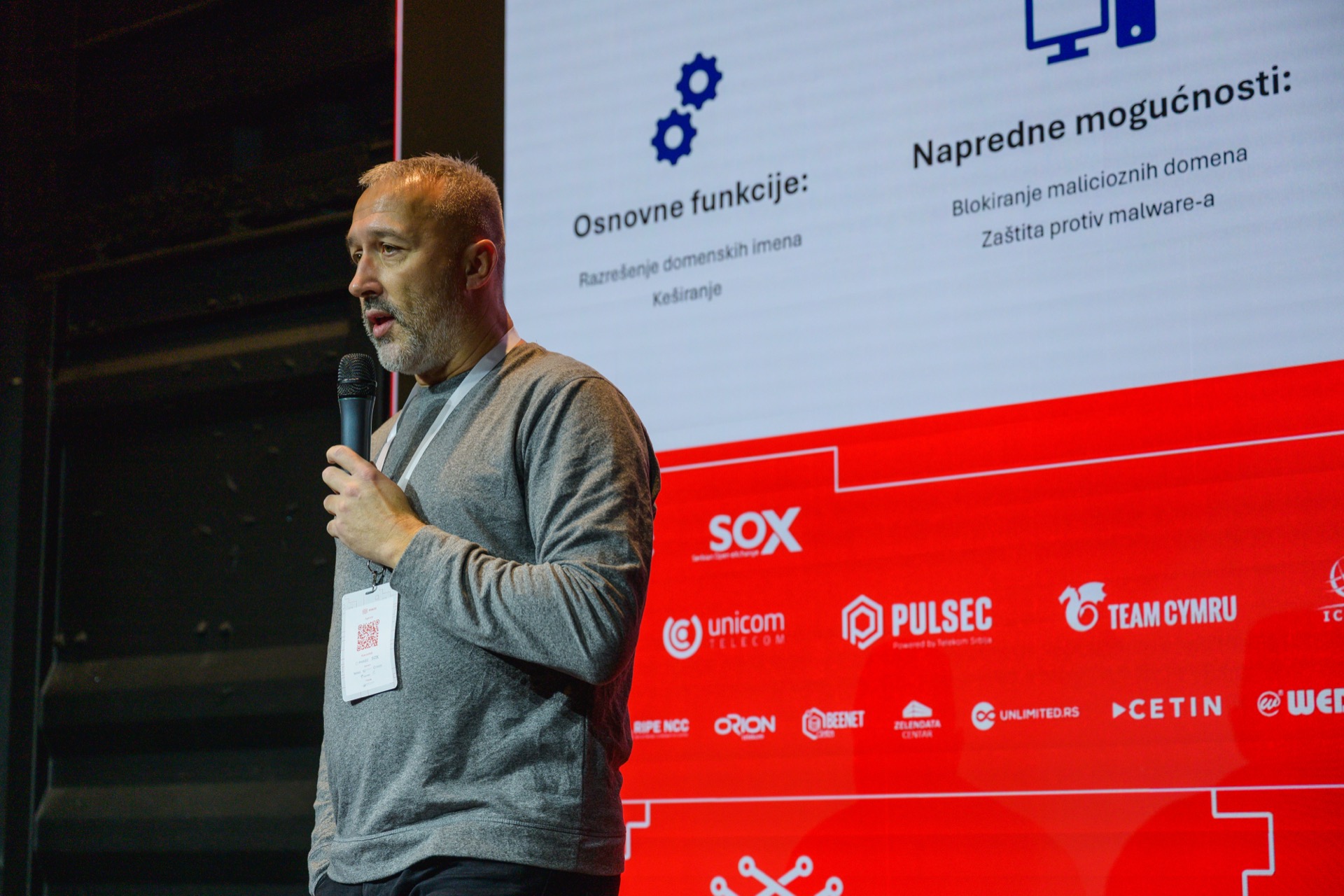
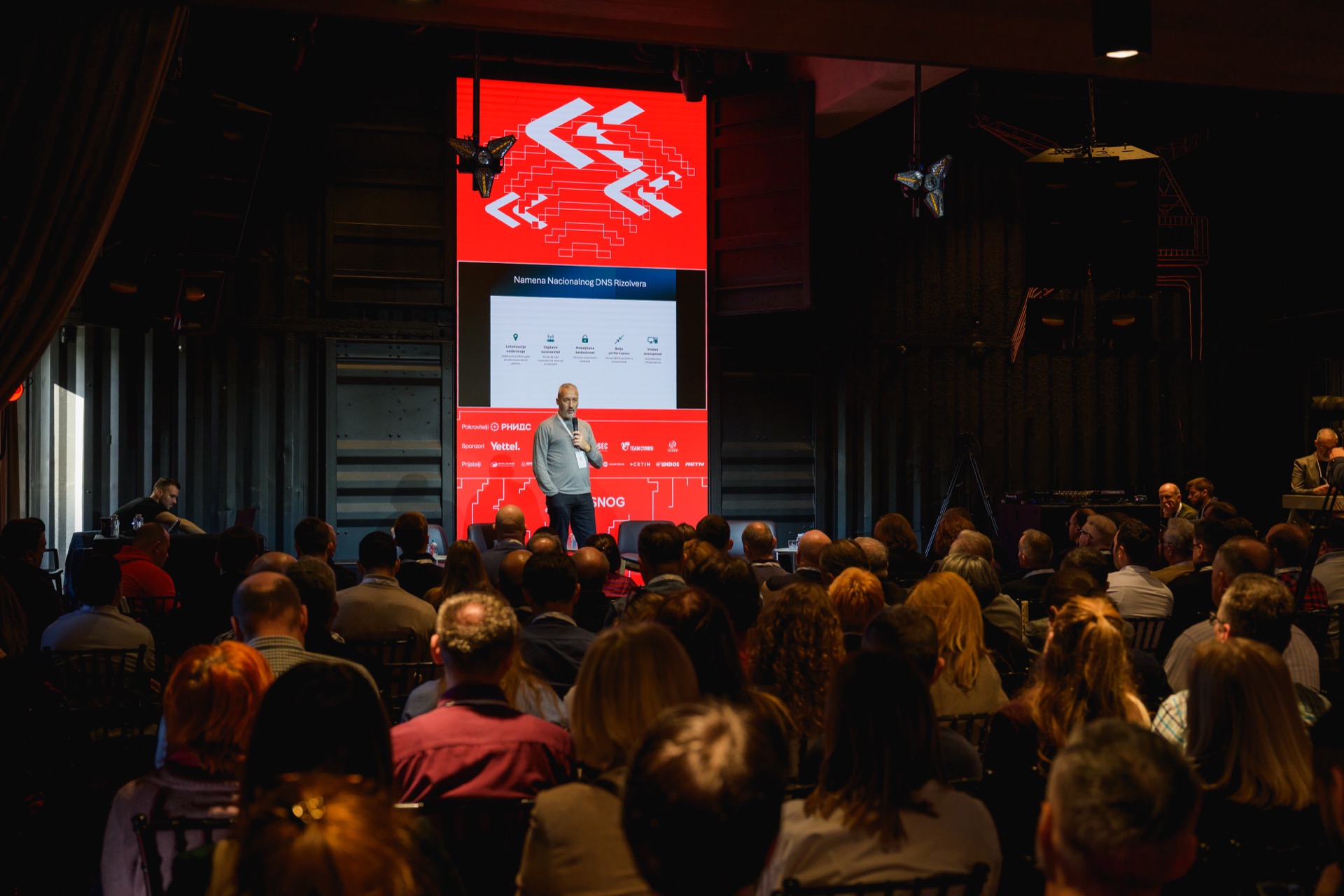
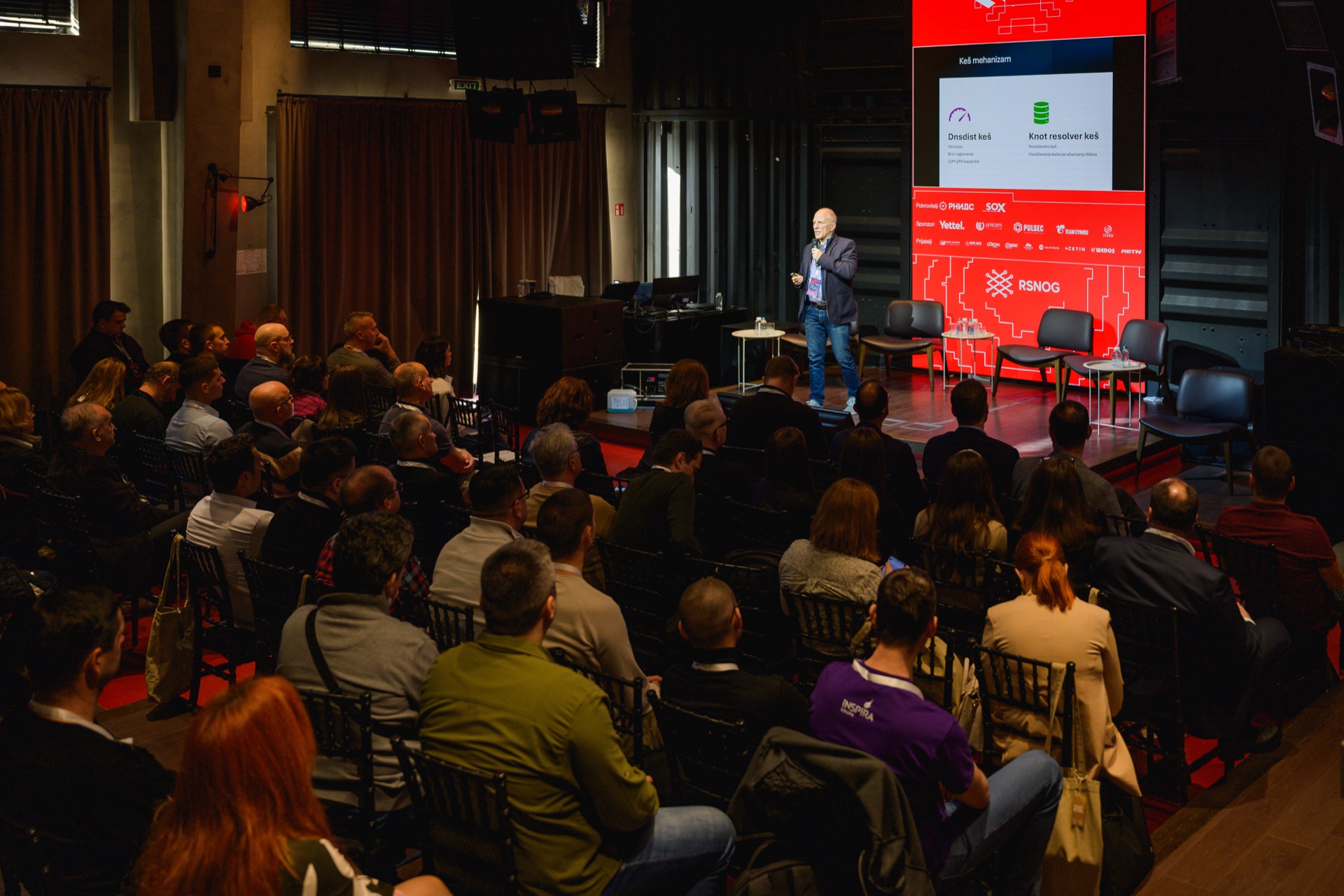
Aleksandar Ristić from RNIDS and Srđan Popović from the University of Belgrade’s School of Electrical Engineering opened the conference by presenting Serbia’s national DNS resolver pilot. The service is designed to provide faster domain name resolution, high availability and better security, while reducing dependence on foreign services. It offers a standard mode and a mode that blocks malicious domains, and Serbia’s internet community was invited to help with initial testing.
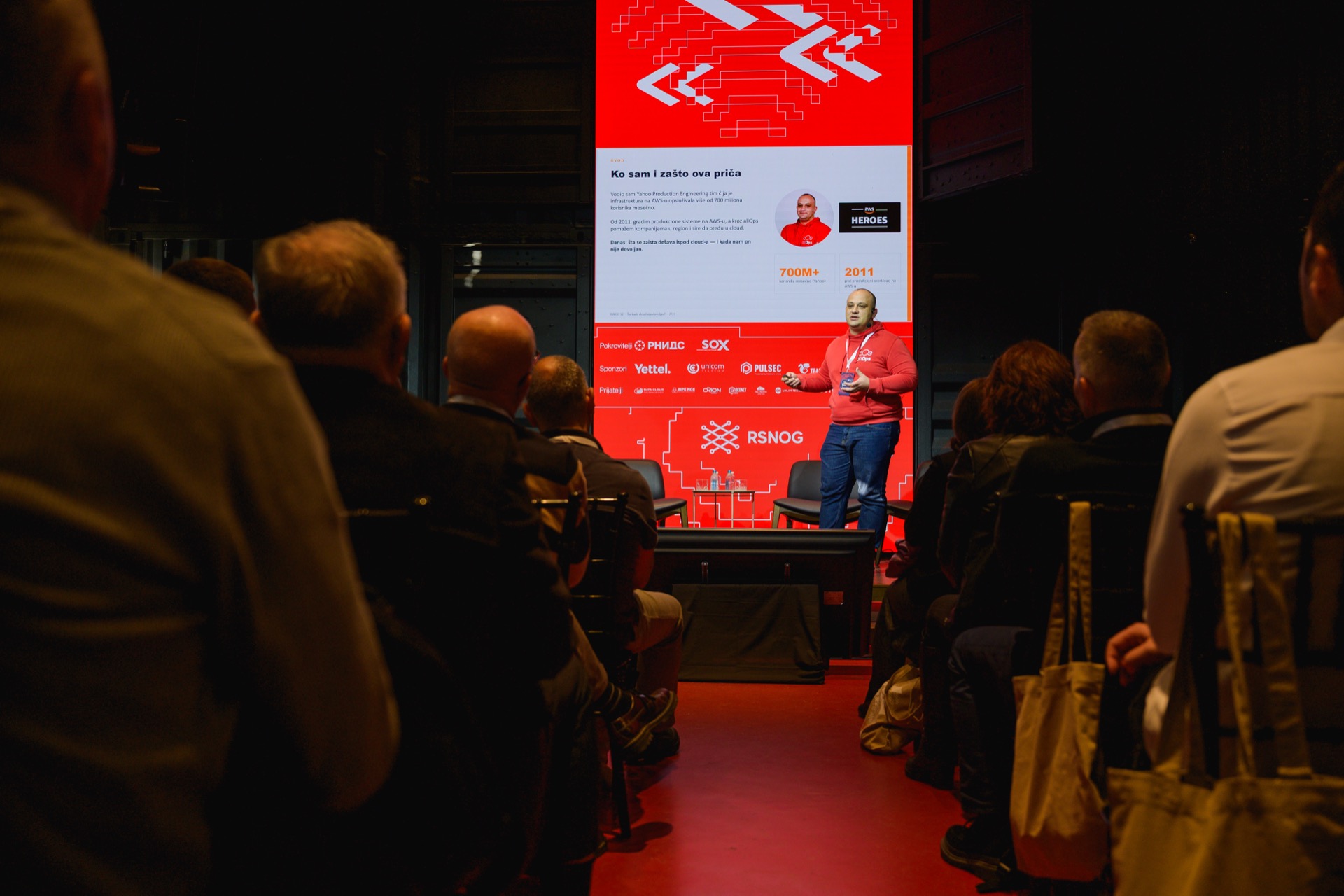
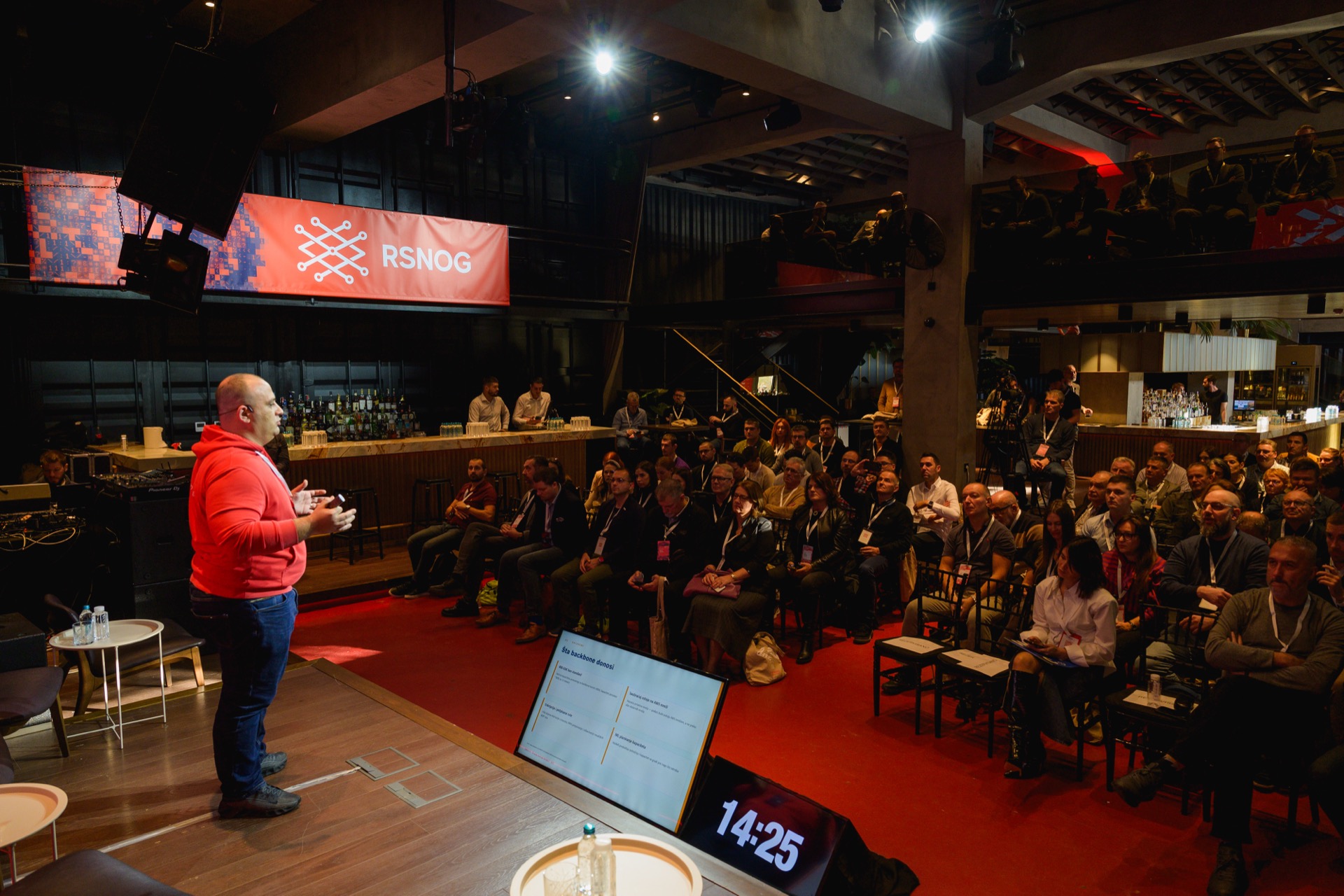
Dženan Dževlan, AWS Hero and co-founder of allOps, explained how the global AWS network works and how it supports a wide range of modular, highly available services for building web and mobile applications. His presentation showed why resilience needs to guide a system’s architecture from the start. Smaller systems can learn from the same approach by planning for failures from the outset, running services where they can meet users’ needs for speed and data storage, and ensuring that critical components can recover automatically without taking the rest of the system down.
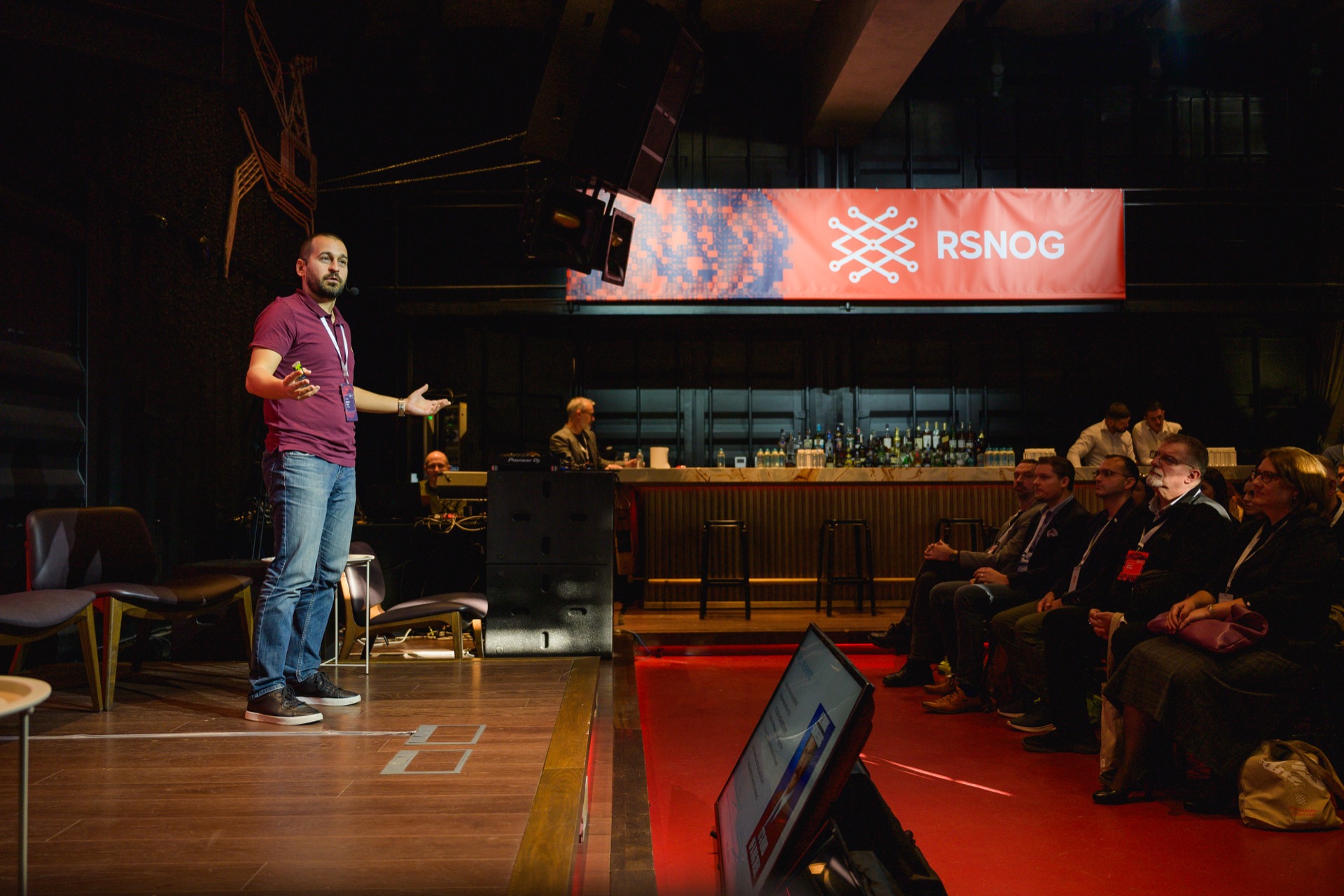
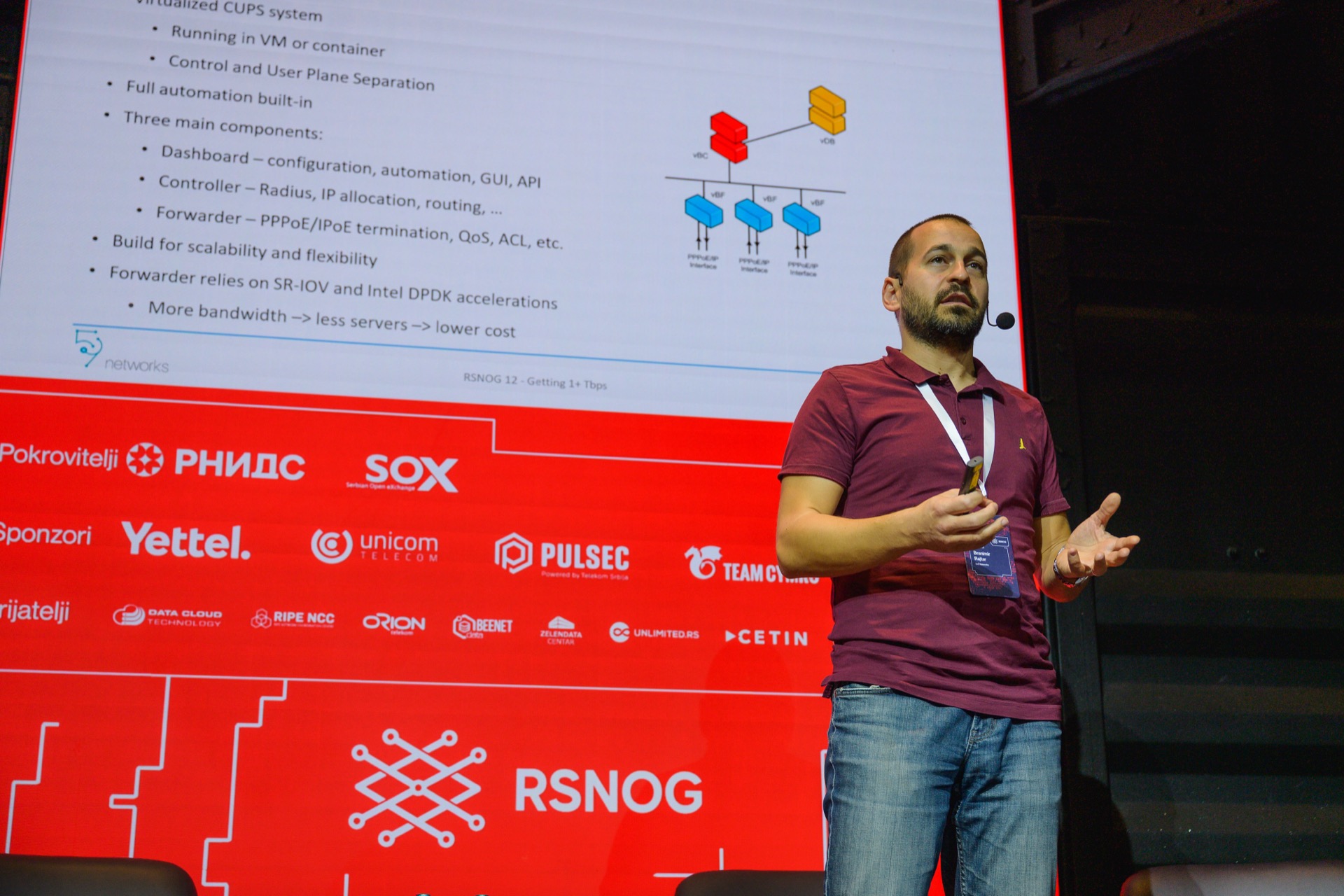
Branimir Rajtar of 5×9 Networks and HRNOG described how he managed to push 1.6 terabits of network traffic per second through a standard server with two processors. He achieved this through measurements, experiments and changes to the software architecture after identifying bottlenecks in data processing. He explained that standard servers offer greater flexibility, easier administration, more scope for automation and software customisation, and less dependence on a single vendor than commercial network appliances.
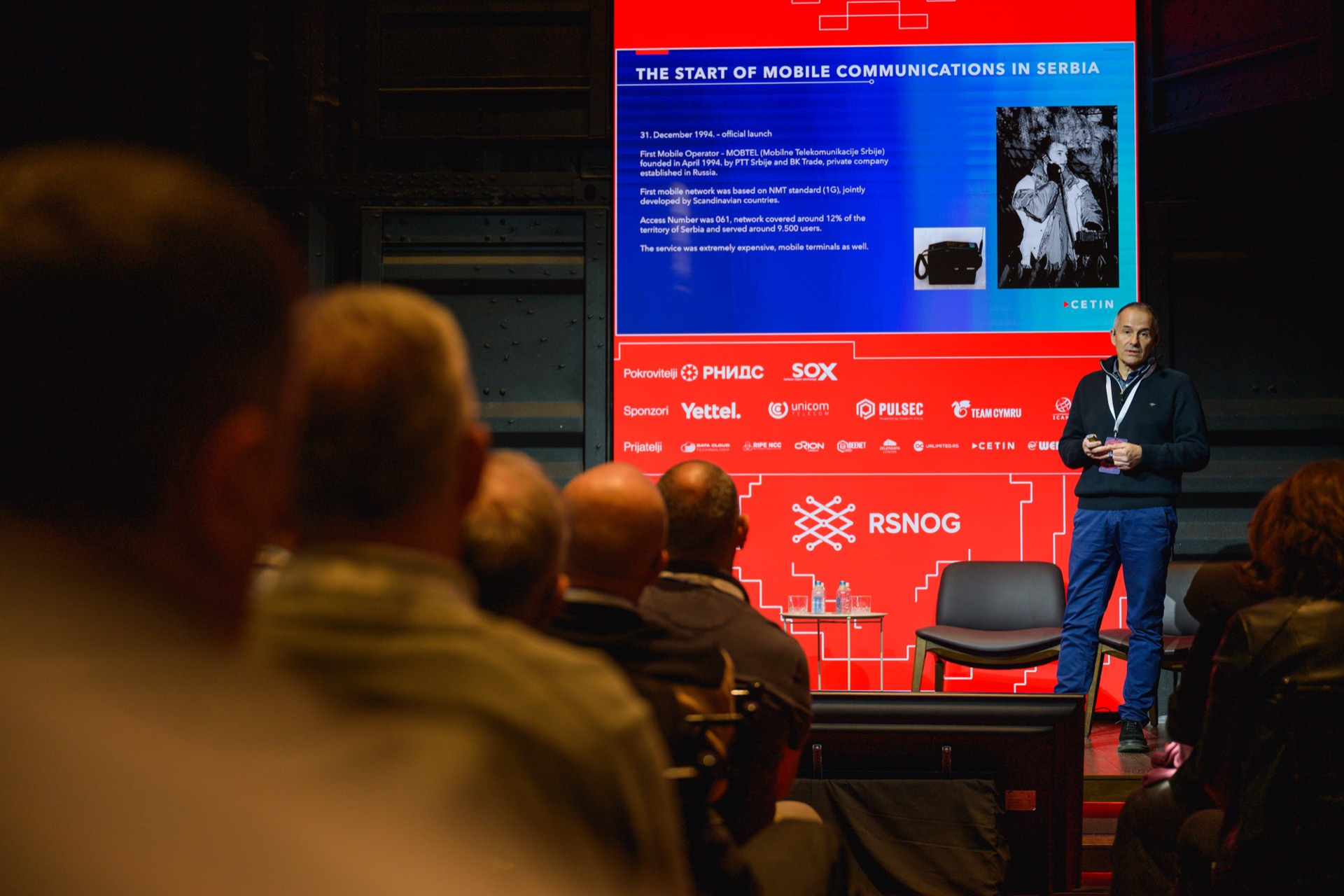
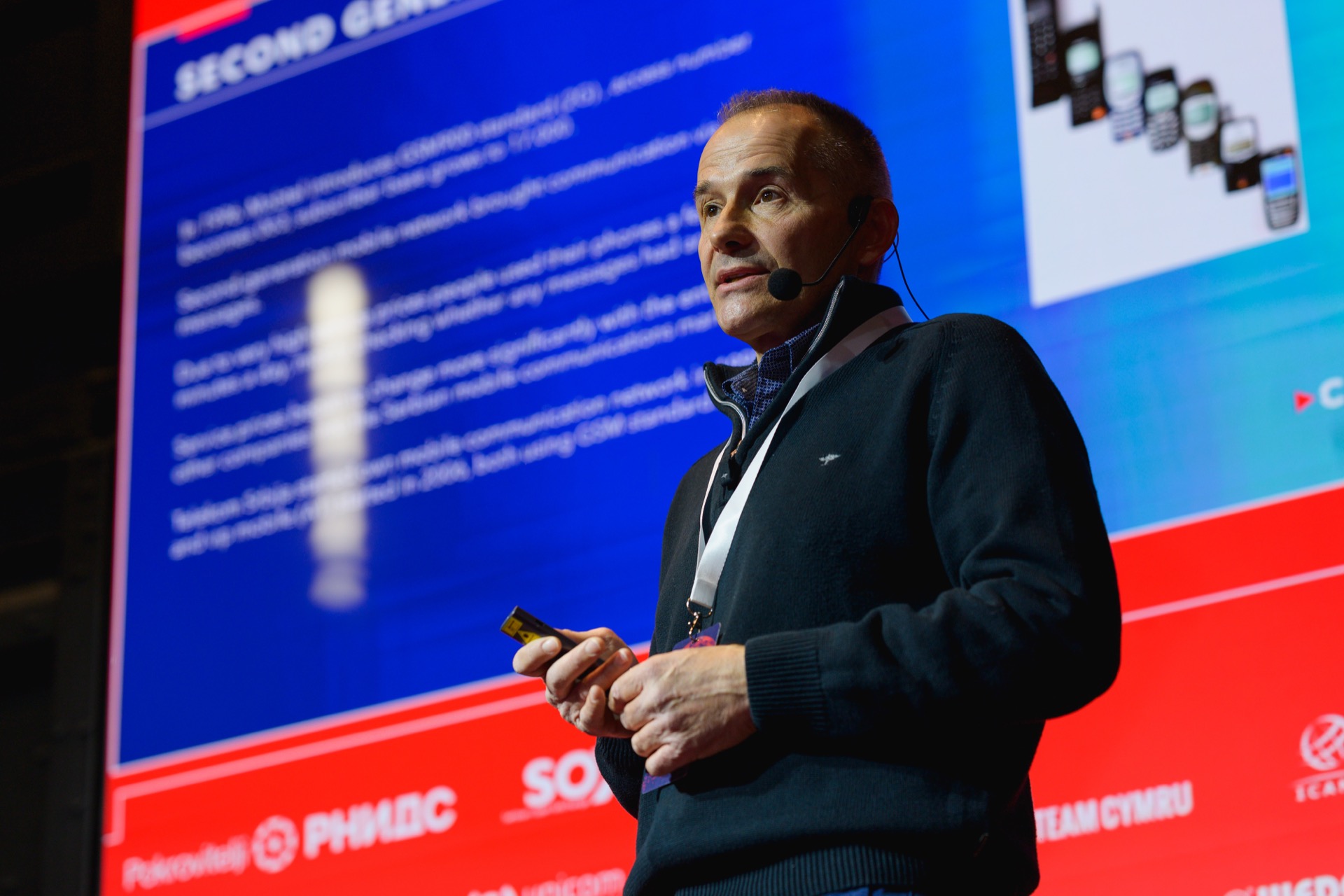
Miroslav Vujović from CETIN has spent a quarter of a century helping develop mobile data networks, from the first GPRS connections to today’s 5G systems. His account gave the audience a glimpse of the work behind each new network generation and improvement in user experience. It spans years of careful planning for major investment programmes, visits to remote sites exposed to harsh weather, and troubleshooting faults that millions of users must never notice. Miroslav believes AI is bringing new demands for connectivity, power and cooling, while giving operators an opportunity to draw on decades of experience to automate more of their work, improve the user experience and develop new services.
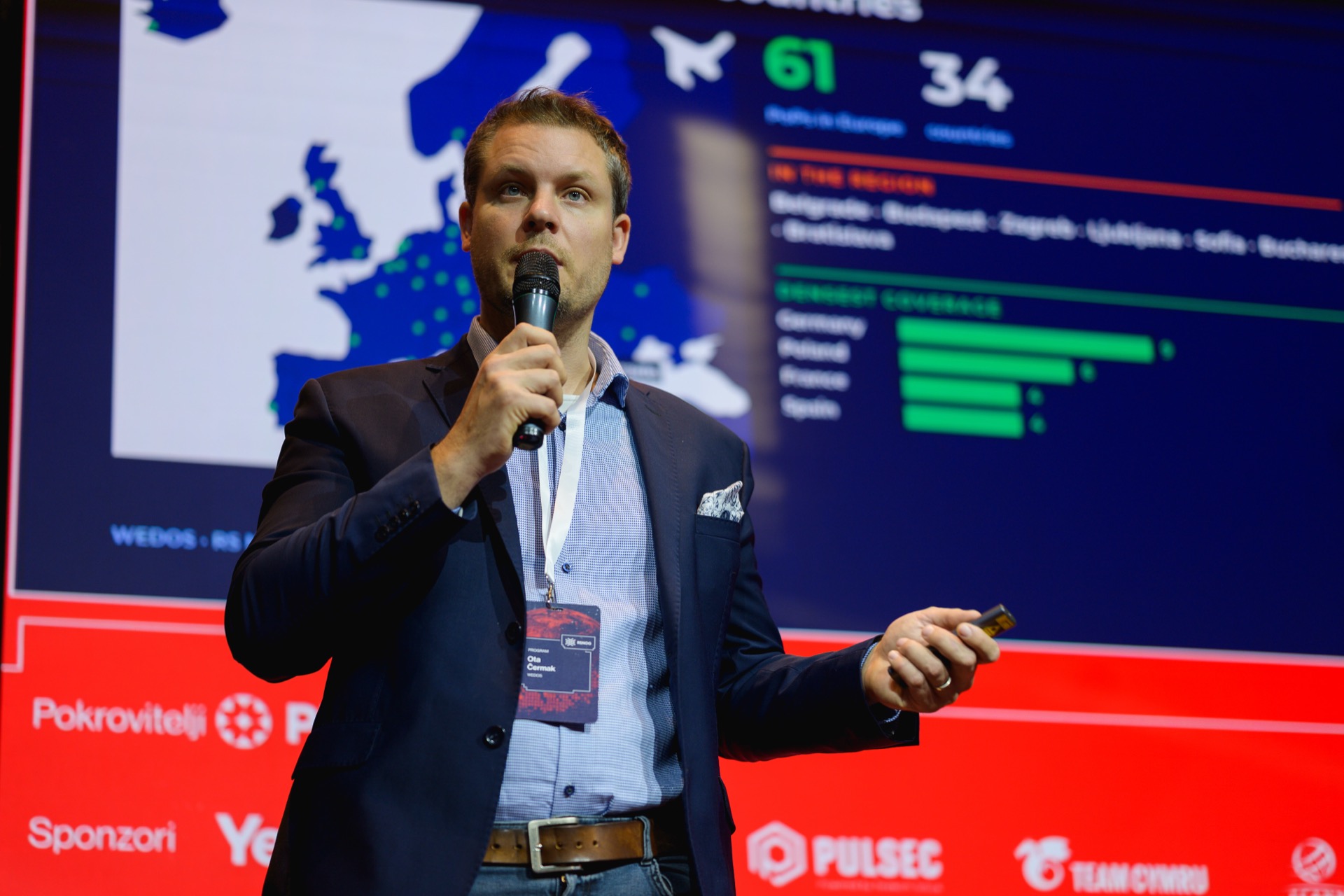
Ota Čermák and Martin Dušek from WEDOS described how their struggles to deal with sophisticated DDoS attacks prompted them to develop their own solution and offer it to others. Three case studies illustrated different challenges, from an attack that disrupted a city’s public transport to one in which a small number of requests generated a heavy workload and high costs. Their experience showed that protection can often be activated very quickly, while decision-making within companies and preparing internal systems take much longer. This makes it essential to agree on incident response procedures in advance and practise them.
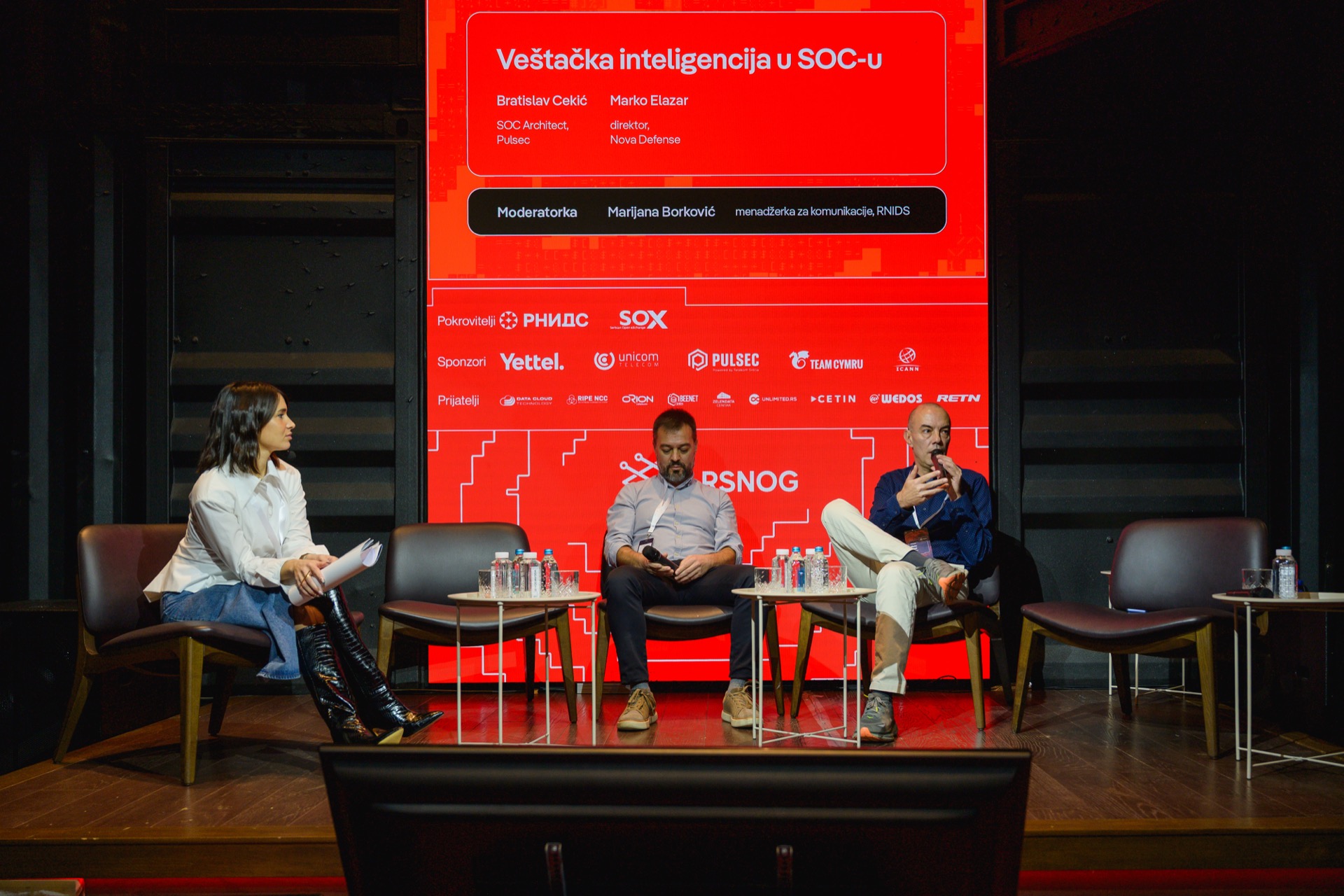
Bratislav Cekić from Pulsec and Marko Elazar from Nova Defense joined RNIDS’s Marijana Borković to discuss how AI can help cybersecurity teams connect alerts and automate routine tasks. They stressed that AI needs to understand each customer’s infrastructure, rules and processes to reach useful conclusions. Decisions that could shut down an important system still require human oversight and clear accountability. They also emphasised that using AI in cybersecurity requires a thorough understanding of the model, the infrastructure it runs on and how data moves through the system.
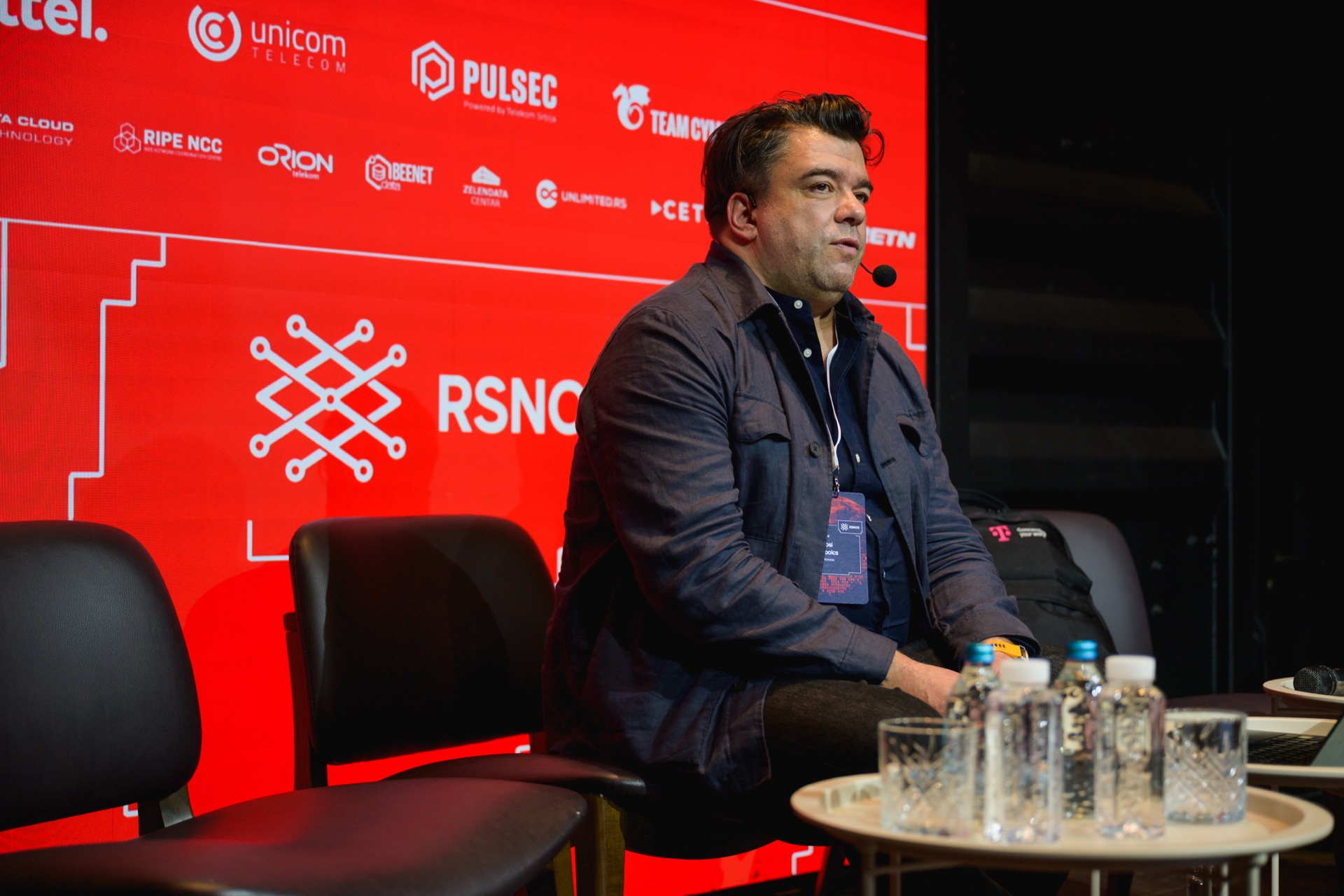
Szabolcs Bodosi from RETN gave an overview of current internet traffic at a major regional network operator and explained how different types of content place different demands on networks, data centres and operators. Video still makes up the largest share of traffic, but the rise of AI is bringing new and far more demanding patterns. Large volumes of data need to move quickly and continuously between autonomous AI agents and between AI systems operated by people. That requires direct, high-bandwidth, reliable links, as well as sufficient power and computing resources within data centres. Supply chain disruptions add to the challenge, with equipment procurement taking 18 months or longer. Connectivity therefore needs to be planned alongside power and server infrastructure from the outset.
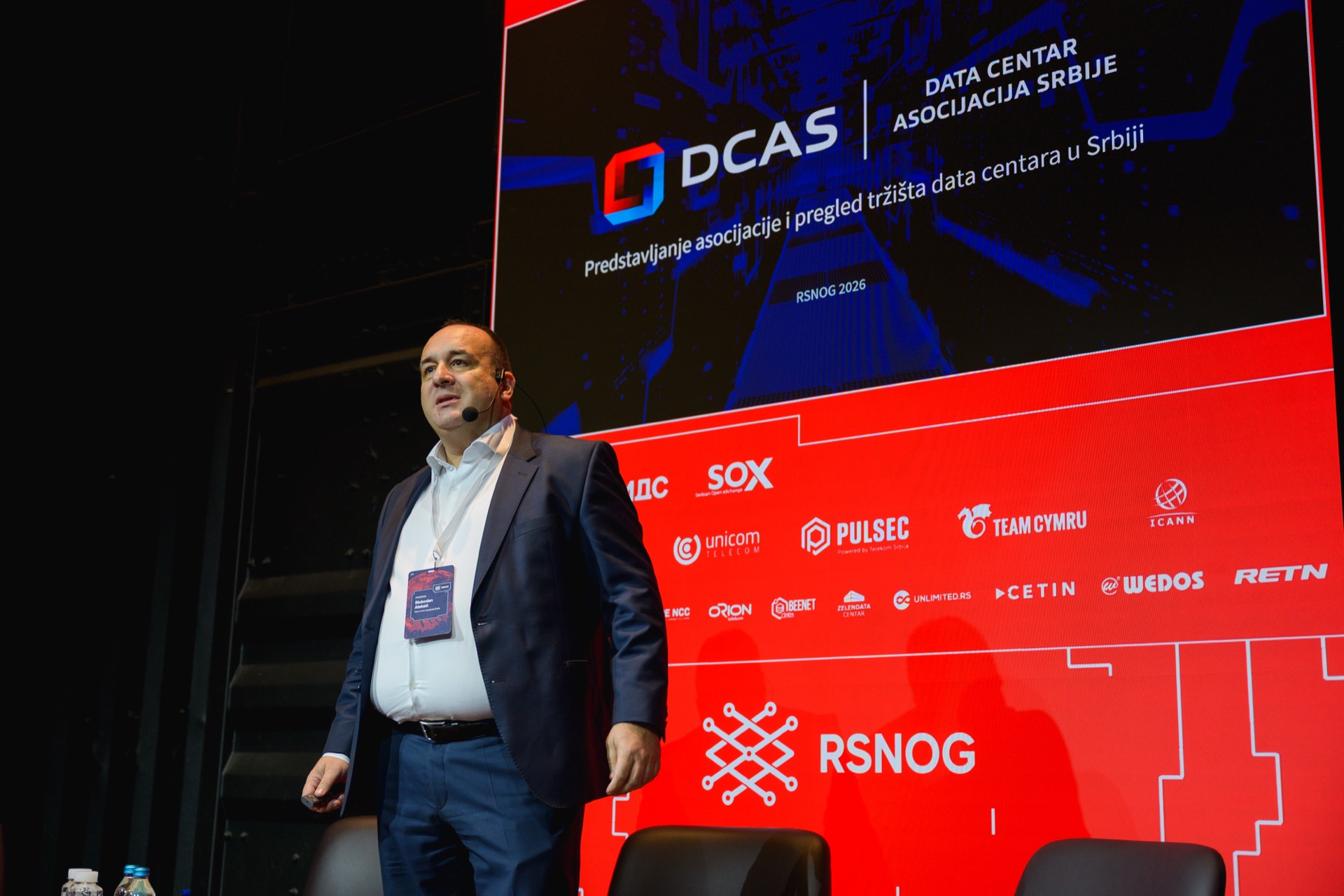
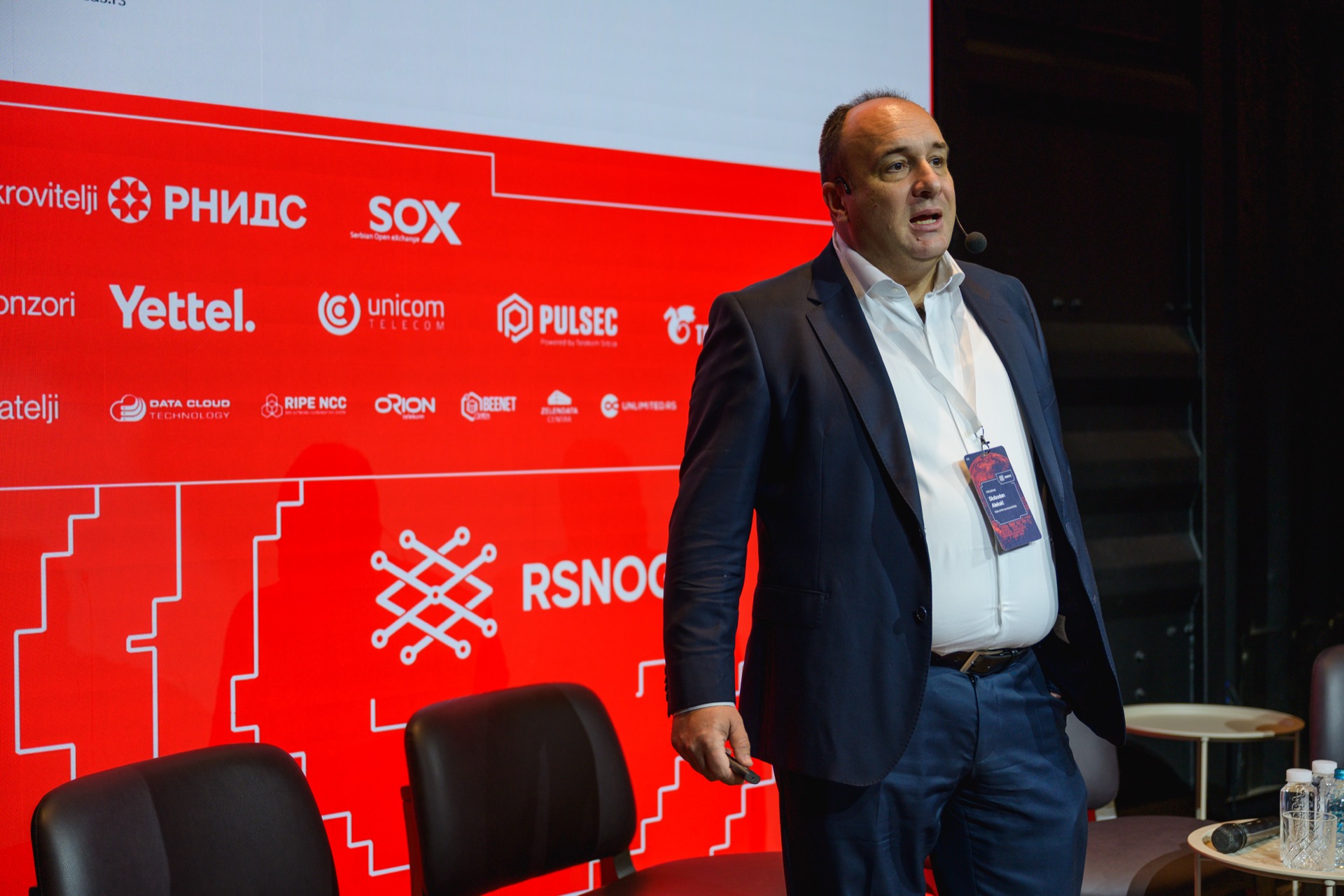
Slobodan Aleksić from Rittal, a board member of the Data Center Association of Serbia (DCAS), presented the work of the new association and data centre trends in Europe and Serbia. According to DCAS, Serbia currently has around 25 MW of installed capacity, while reaching the European average per capita would require 150-200 MW. Across Europe, strong demand is accompanied by a shortage of capacity, as suitable sites and electricity become harder to secure. This opens up opportunities for investment in Serbian data centres, driven by demand both at home and elsewhere in Europe. The new association brings the industry together to help map available capacity, improve legal procedures, build connections across the sector and develop the workforce.
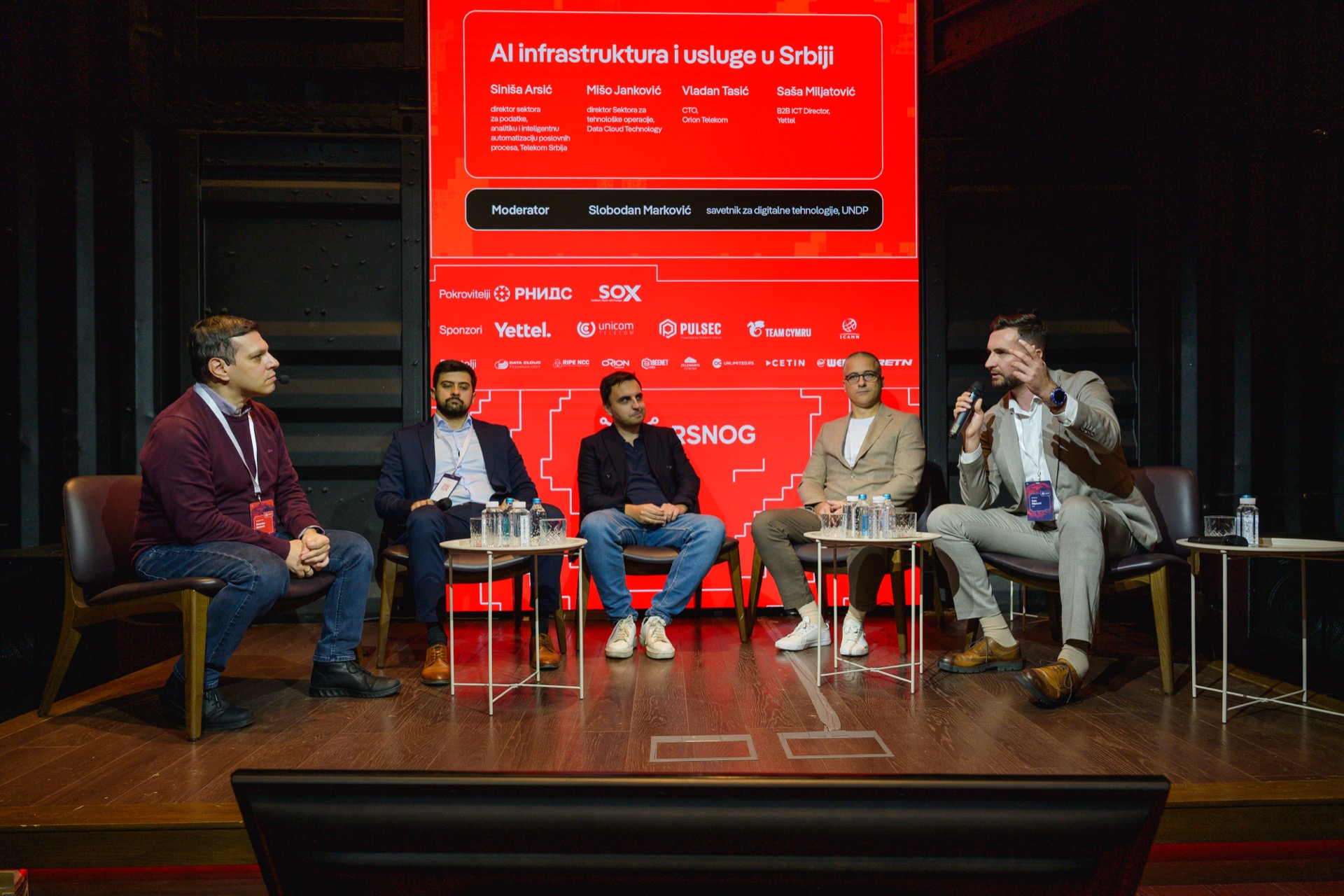
This year’s operators’ roundtable focused on building domestic AI capacity and services, which are becoming critical infrastructure for national economies. Vladan Tasić presented Orion AI Factory, a regional NVIDIA partner, outlined its business model and announced further investment in GPU capacity. Mišo Janković from Data Cloud Technology announced plans to install a new supercomputer with more than 640 GPUs and explained the technical adaptations required at the Government Data Centre in Kragujevac to support modern AI infrastructure. He stressed that AI sovereignty involves control over data, the AI platform, models and the entire business process, as well as hardware. Yettel and Telekom Srbija announced that they are developing their own hybrid platforms to offer customers scalable on-premises and cloud AI capacity, with greater control over sensitive data and workloads. Representatives of all three companies highlighted substantial investment in building internal AI teams. This was driven by a shortage of reliable external partners, the pace of change in the AI industry and concerns that a lengthy search for contractors could slow development. They acknowledged the challenges posed by a limited pool of specialists and intense competition for talent, while emphasising the long-term benefits of building those teams.
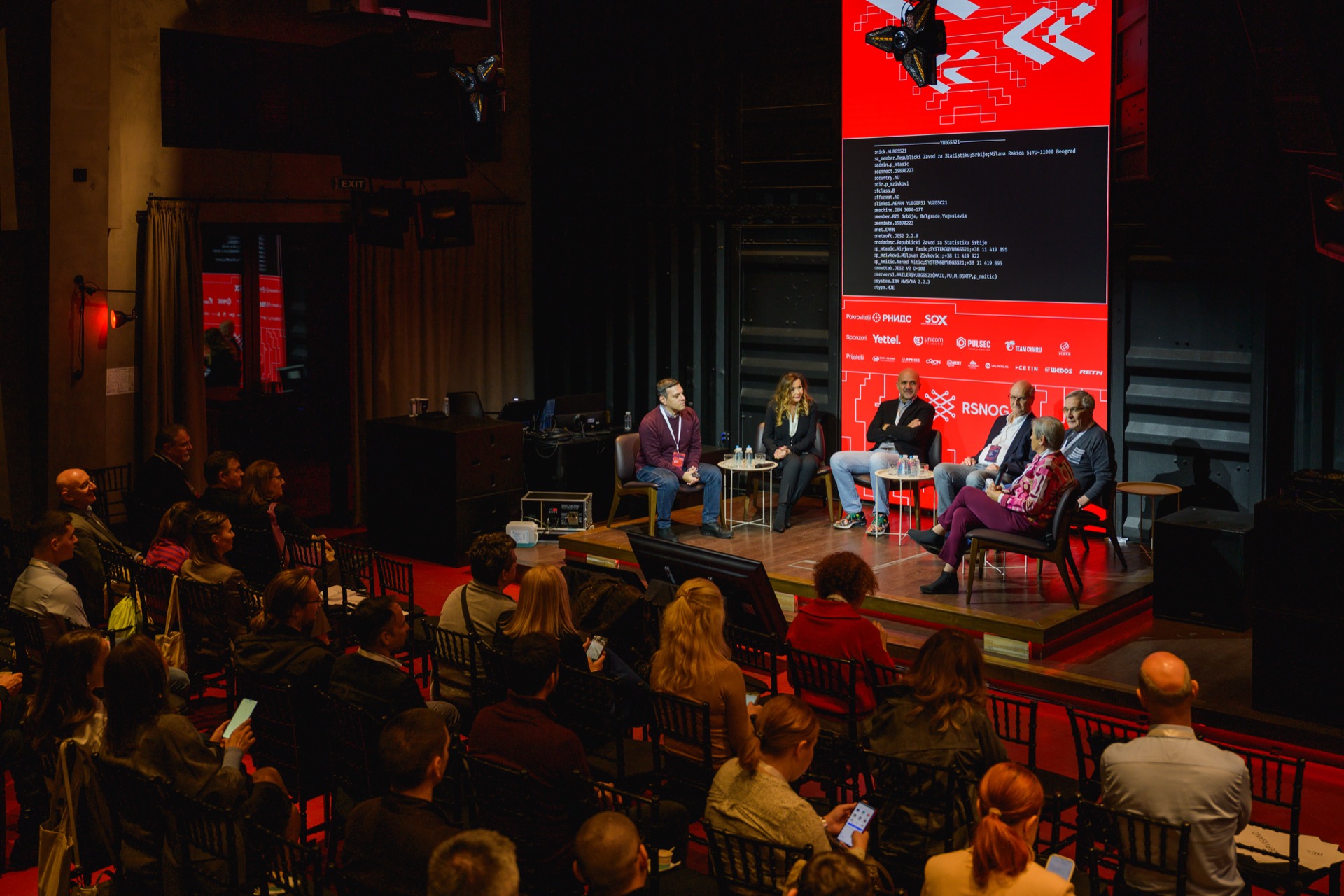
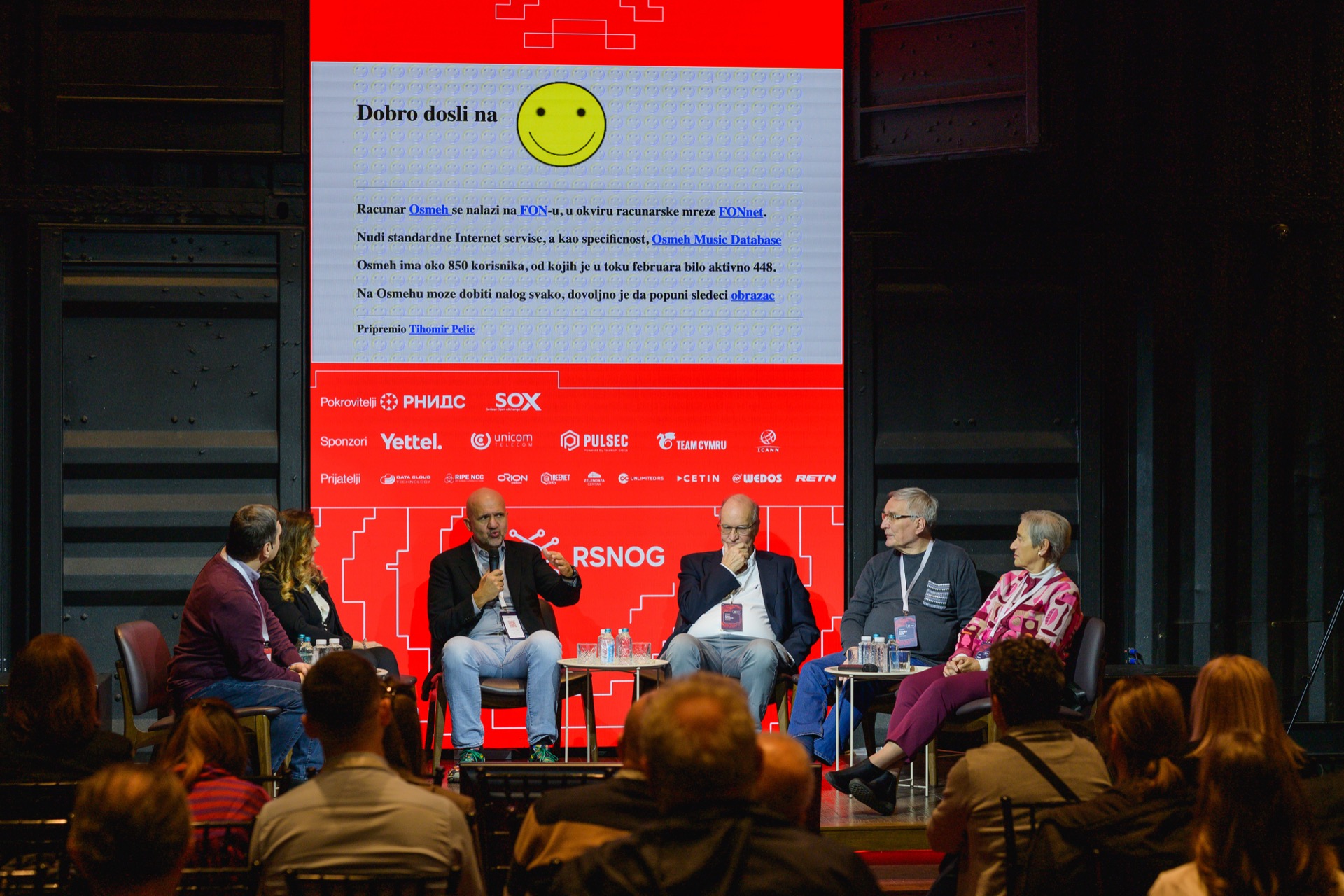
The highlight of the evening was a discussion marking 30 years of the internet in Serbia, moderated by Slobodan Marković. It brought together some of the country’s true internet pioneers. Mirjana Tasić, a member of the YUNIC team at the time, helped secure Serbia’s national internet domain. Professor Zoran Jovanović represented the University of Belgrade’s Computing Centre, the main hub of the academic network. Pavle Peković was a member of the Sezam community and Professor Boža Radenković’s team at the Faculty of Organisational Sciences. Dragoljub “Neca” Nekić worked on establishing BeotelNet’s first internet link, while Mirjana Rosić represented the former EUnet Yugoslavia, which opened up internet access to the wider public.
The participants recalled the years when email was smuggled through during sanctions and a diverse network of enthusiasts, working individually and together, built the knowledge and connections needed for the academic network and the first internet service providers. They achieved this amid international sanctions, wars and economic decline, with very limited resources but enormous enthusiasm, courage and, at times, a fair amount of luck.
The parallels between that period 30 years ago and today show that the academic community remains one of Serbia’s greatest driving forces. They underline the importance of making room for curiosity, experimentation and learning, and, above all, of remembering the ability of people in Serbia to achieve great things, time and again, even in the most difficult circumstances.
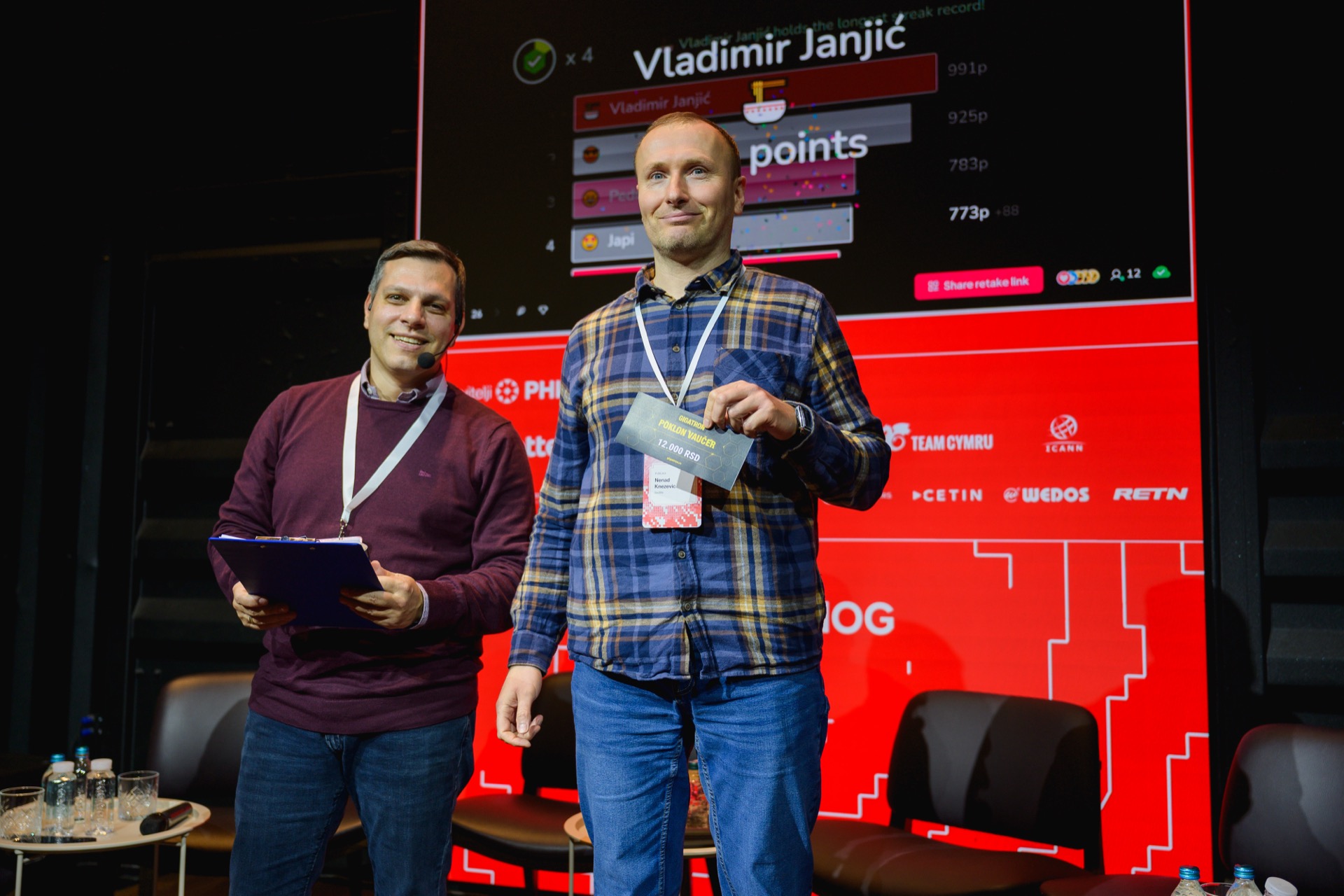
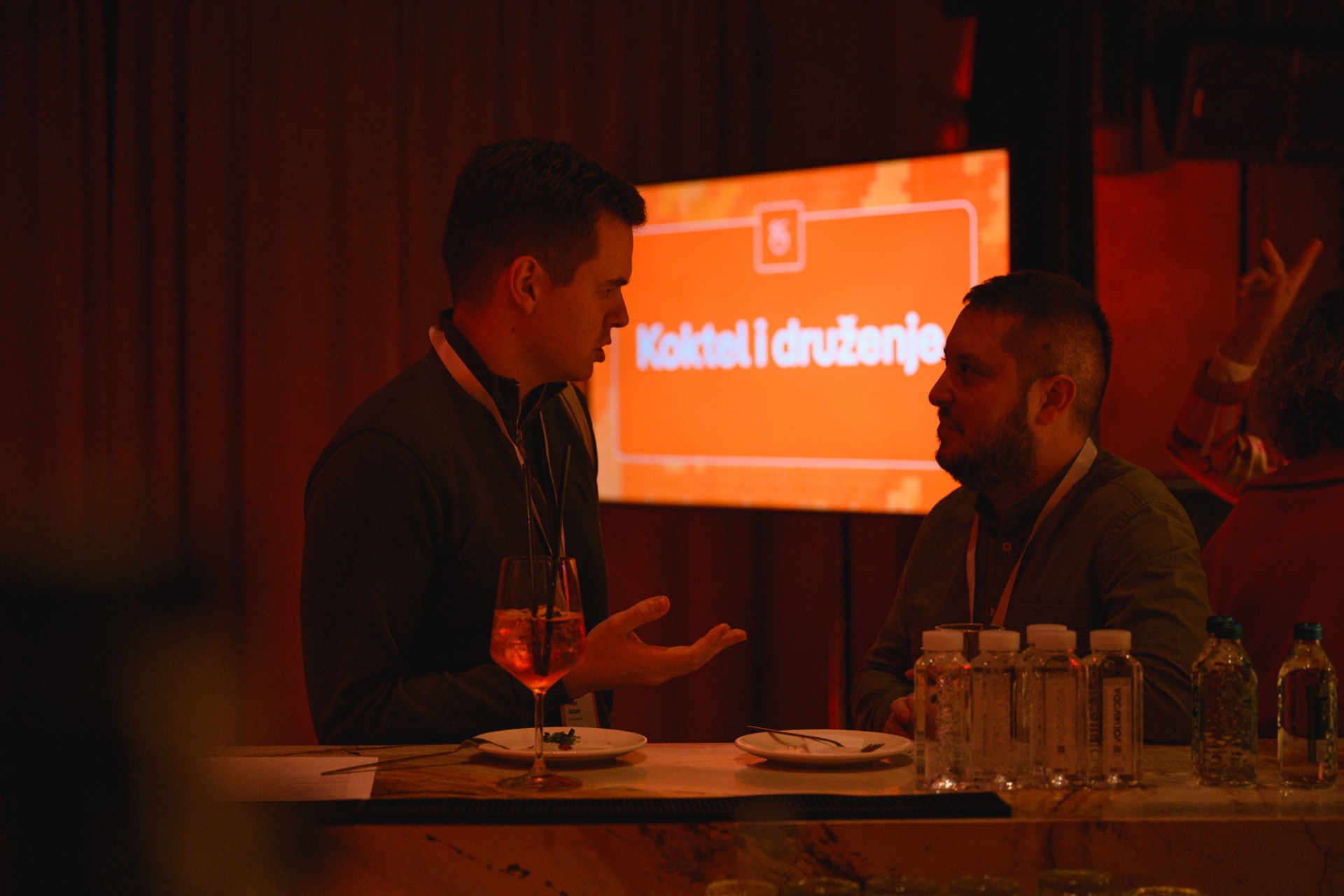
The conference concluded with the traditional prize quiz and a reception. This year’s RSNOG was held under the patronage of the RNIDS Foundation and Serbian Open eXchange (SOX), with support from sponsors Pulsec powered by Telekom Srbija, Team Cymru, Unicom Telecom, Yettel and ICANN, and friends of the conference Data Cloud Technology, CETIN, RETN, RIPE NCC, Unlimited.rs, WEDOS, Orion Telekom, Beenet and Zelendata Center.